What is the N-type TOPCon Solar Module | Buying Guide
N-type TOPCon efficiency exceeds 22.5%, with a bifaciality rate of 80-85% and first-year degradation of only 1%.
Procurement should target a low temperature coefficient of -0.3%/°C and a 30-year warranty.
Operationally, it is recommended to pair with high-voltage string inverters and verify low-light response data to ensure the system LCOE is reduced by more than 10% compared to traditional PERC.
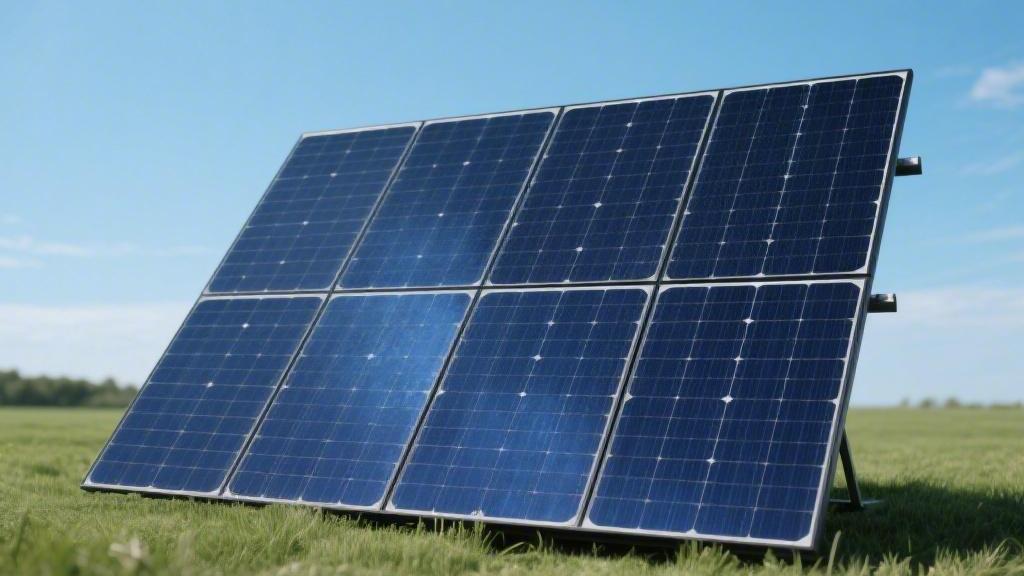
Conversion Efficiency
The mass production conversion efficiency of N-type TOPCon cells is currently in the 22.5% - 23.5% range, which is approximately 1% higher in absolute value than P-type PERC.
Its theoretical limit efficiency reaches 28.7%, far exceeding the 24.5% of PERC.
Thanks to the 1.5 nm tunneling oxide layer structure, the modules can produce approximately 1.2 kW more power per hundred square meters under standard testing. The bifaciality rate is as high as 80% - 85%, significantly optimizing the power output per watt of the system.
Efficiency Performance
The N-type TOPCon cell architecture relies on a 1.5 nm ultra-thin silicon dioxide tunneling layer and a layer of doped polysilicon. This passivated contact structure significantly reduces the recombination loss of electrons at the metal electrodes. Mass production efficiency is currently stable between 22.5% and 23.5%, while laboratory records have surpassed 26%, demonstrating its development potential toward the 28.7% theoretical limit.
Since N-type silicon wafers use phosphorus doping instead of boron doping, there are no boron-oxygen complexes inside the cell. This physical characteristic eliminates Light-Induced Degradation (LID) issues, keeping the first-year power degradation rate within 1%. Traditional P-type modules usually face losses of 2% to 2.5% in the first year; TOPCon establishes an energy output advantage right from the start of its lifecycle.
Performance Indicator | N-type TOPCon | P-type PERC | Improvement Ratio |
Standard Mass Production Efficiency | 22.8% - 23.2% | 21.4% - 21.8% | Approx. 6.4% |
Power Temperature Coefficient | -0.29%/°C | -0.34%/°C | 14.7% Loss Reduction |
Bifaciality Rate | 80% - 85% | 70% - 75% | Over 10% Increase |
30-Year Linear Degradation | Approx. 0.4%/year | 0.45% - 0.55%/year | 2% - 3% Long-term Gain |
When the module operating temperature reaches 65°C, the power loss of TOPCon is approximately 2% less than that of traditional PERC. This thermal stability significantly increases the power generation per watt in arid or tropical regions with ample summer sunlight, optimizing the internal rate of return for long-term investments.
The expansion of the spectral response range also optimizes efficiency. TOPCon has a stronger ability to capture short-wave light in the 300 nm to 400 nm band. Under low irradiance conditions (less than 200 W/m²) such as early morning, evening, or cloudy days, the module can still maintain more than 98% of its rated conversion efficiency, extending the daily effective power generation time.
· 182mm/210mm large-size wafers combined with Super Multi-Busbar (SMBB) technology shorten the current transmission path.
· A low leakage rate of 0.1% ensures effective collection of carriers inside the cell during rainy weather.
· 16 or more circular ribbon designs reduce the shading area and increase effective light absorption efficiency.
· Double-glass encapsulation combined with TOPCon's high bifaciality allows the rear-side power generation contribution to reach 10% in grassland environments.
· A 30-year power warranty commitment ensures the final residual power remains above 87.4% of the initial level.
Using 580W+ high-efficiency modules reduces the number of modules by about 50 pieces per megawatt (MW) compared to 550W modules of the same size. This reduces expenditures on brackets, clamps, DC cables, and land leasing, lowering the system cost per watt by approximately 3% to 5%.
In installation scenarios with high reflectivity, the value of bifaciality is amplified. Sand reflectivity is 0.35, and snow can even reach 0.8. In these scenarios, the 85% bifaciality of TOPCon can provide an additional 7% to 15% power gain. This comprehensive gain model significantly reduces the LCOE (Levelized Cost of Energy) compared to previous generation technologies.
The passivation effect on the cell surface is affected by the uniformity of the oxide layer. Top manufacturers use Low-Pressure Chemical Vapor Deposition (LPCVD) technology to ensure the 1.5nm coating thickness deviation is controlled within ±0.1nm. This manufacturing precision ensures consistency in efficiency across large-scale shipments, avoiding current mismatch within the power station system.
Efficiency Across Different Technologies
PERC cells are limited by a theoretical efficiency limit of 24.5%, with mass production efficiency stagnating between 21.4% and 21.8%. The TOPCon architecture pushes the theoretical conversion efficiency ceiling to 28.7% by introducing a 1.5 nm ultra-thin silicon dioxide tunneling layer. In actual production lines, the conversion rate of this module has stabilized in the 22.8% to 23.5% range, with single-panel power output being about 20W higher than traditional models.
The physical difference in the silicon wafer substrate determines the charge collection capability. N-type wafers are doped with phosphorus during manufacturing, resulting in a minority carrier lifetime of 1 ms to 10 ms, far exceeding the less than 1 ms performance of P-type wafers. High carrier lifetimes allow electrons to travel longer distances before recombining, enabling effective collection on the cell surface and significantly increasing current density and open-circuit voltage.
Because the N-type substrate does not contain boron-oxygen complexes, the first-year efficiency degradation rate of TOPCon after light exposure drops to below 1%. Traditional PERC modules usually suffer performance losses of 2% to 2.5% due to Light-Induced Degradation (LID). Long-term operational data shows that the average annual linear degradation rate of TOPCon is about 0.4%, ensuring the module maintains over 87.4% of its initial rated power at the end of the 30-year operating cycle.
· The passivation layer on the cell surface consists of 1.5 nm silicon dioxide and 200 nm polysilicon, effectively preventing charge recombination in metal contact areas.
· The module utilizes a 16-busbar (SMBB) design; circular ribbons reduce the shading area by about 25% and shorten the current transmission path on the fingers.
· Silicon wafer thickness is thinning from 150μm to 110μm; lower thickness helps improve infrared light absorption and reduces manufacturing costs.
· Under 200 W/m² low-light irradiation, TOPCon's relative efficiency retention is above 98%, providing about 3% more low-light gain than traditional technology.
Compared to Heterojunction (HJT) technology, TOPCon performs excellently in high-temperature environments. Although HJT has a lower temperature coefficient (-0.24%/°C), TOPCon's -0.29%/°C performance means that under the same installation conditions, its power generation loss during peak summer heat is reduced by about 15% compared to PERC. In regions where rooftop temperatures stay above 60°C year-round, this thermal stability translates into a shorter investment payback period.
The ratio of front to back conversion efficiency is called the bifaciality rate. The TOPCon bifaciality range is between 80% and 85%, while PERC technology is typically around 70%. In installation environments with light-colored roofs or gravel ground, the additional power output from reflected light can increase the system's comprehensive conversion efficiency by 2% to 3%.
· For the same 1 MW ground-mounted power station, using 23.2% efficiency TOPCon modules requires approximately 7% less installation area than 21.6% efficiency PERC modules.
· The reduction in installation area leads to a decrease in Balance of System (BOS) costs, such as brackets, junction boxes, DC cables, and land leveling, by about $0.02 per watt.
· The open-circuit voltage (Voc) of the modules usually exceeds 730 mV; high-voltage characteristics allow for more modules to be connected in a single string, reducing the number of combiner boxes.
· Due to low carrier recombination rates, the Fill Factor (FF) generally reaches over 83%, ensuring stability of the output curve under different irradiation intensities.
The technical evolution path is pointing toward the tandem combination of TOPCon and Perovskite. The perovskite layer is responsible for absorbing high-energy short-wave light, while the bottom TOPCon layer absorbs long-wave infrared light; the theoretical limit efficiency of this combination can reach 33.7%. Currently, small-area tandem cells in the lab have achieved conversion efficiencies over 30%, and it is expected that commercial module nominal efficiency will break 26% within the next five years.
Consistency in manufacturing processes has a significant impact on efficiency output. Tunneling oxide layers produced using Low-Pressure Chemical Vapor Deposition (LPCVD) have thickness deviations precisely controlled within ±0.1 nm. This atomic-level precision control ensures that among the tens of thousands of modules delivered at scale, the power deviation is only within the 0 to +5W positive tolerance range, avoiding current mismatch within the power station system.
In actual climatic conditions, the efficiency advantage of TOPCon is reflected in a lower Levelized Cost of Energy (LCOE). According to measured comparisons in Europe and the Middle East, although the procurement price per watt of TOPCon modules is slightly higher than PERC, its higher power generation capacity per watt and lower degradation rate have reduced the lifecycle LCOE by approximately 5%.
Environmental Factors
The performance of photovoltaic modules under Standard Test Conditions (STC) in the lab differs significantly from real outdoor environments. STC is set at 25°C ambient temperature, but modules installed on roofs or the ground often see internal cell temperatures climb to 60°C - 75°C in summer sunlight. This high-temperature environment triggers bandgap shrinkage in semiconductor materials, leading to a significant drop in open-circuit voltage (Voc), which in turn weakens overall power output.
N-type TOPCon modules, with their optimized physical structure, typically maintain a power temperature coefficient of -0.29%/°C. Compared to the common -0.34%/°C coefficient of traditional P-type PERC modules, when the module temperature rises from 25°C to 65°C (a 40-degree increase), TOPCon's power loss is only 11.6%, whereas traditional modules lose up to 13.6%. In high-heat regions like Saudi Arabia or Australia, this thermal stability translates to approximately 2% additional power generation gain.
Environmental Indicator | TOPCon Performance Data | Comparison to Traditional | Actual Generation Contribution |
Power Temperature Coeff. | -0.29%/°C | -0.34%/°C | ~2% power increase in high heat |
Low-light Response | 98% Relative Retention | 95% Relative Retention | Extends daily generation by 15-30 mins |
Bifaciality | 80% - 85% | 70% - 75% | 5% - 15% Rear-side gain increase |
1st Year Degradation | < 1.0% | 2.0% - 2.5% | 3% Lifecycle energy increase |
Affected by irradiance intensity, the power generation capability of solar cells in the early morning, evening, or on cloudy days depends on their low-light response characteristics. In extremely low-light environments where irradiance drops to 200 W/m², TOPCon cells can still maintain over 98% of their rated conversion efficiency. This performance stems from the extremely high carrier collection efficiency of its 1.5 nm tunneling oxide layer, giving the modules a longer effective power generation window in Northern Europe or temperate marine climate zones with insufficient sunlight.
Adaptability to spectral distribution also strengthens environmental resilience. TOPCon technology is more sensitive to capturing ultraviolet light and short-wave blue light between 300 nm and 400 nm. Since this band of light accounts for a higher proportion on cloudy days or in areas with heavy atmospheric scattering, the output per watt of TOPCon modules in scattered light environments is about 1% to 1.5% higher than traditional PERC, making projects more robust across different geographic latitudes.
· 182mm/210mm wafers combined with SMBB technology allow single module power to break 580W-600W.
· A sand reflectivity of 0.35 can provide bifacial modules with more than 10% additional rear-side power injection.
· An 85% bifaciality rate in snow-covered areas (reflectivity up to 0.8) can produce significant rear-side power compensation.
· 110 μm thinned silicon wafers reduce internal stress, showing better mechanical reliability when facing a 5400 Pa snow load.
· First-year degradation within 1% is significantly better than traditional technology, effectively resisting the impact of initial LID on revenue.
High humidity and high-temperature alternating environments often lead to Potential Induced Degradation (PID). TOPCon modules usually adopt double-glass encapsulation combined with POE (polyolefin elastomer) encapsulant film, a material combination with extremely low water vapor permeability. Under "Double 85" test conditions (85°C temperature and 85% relative humidity), the power degradation after 192 hours of operation is still far below the industry standard 5% limit.
Salt mist and ammonia environments pose challenges to power station lifespans. In coastal areas or farm environments, chloride ions and ammonia in the air can corrode aluminum alloy frames and junction boxes. TOPCon modules use 6005-T6 high-strength aluminum treated with special coatings, passing IEC 61701 (Salt Mist Level 6) and IEC 62716 (Ammonia Corrosion) certifications, ensuring mechanical integrity for 30 years in harsh agricultural or marine climates.
Albedo (ground reflectivity) is a key environmental factor determining actual output. Different surfaces have vastly different light reflection capabilities, directly affecting the upper power limit of bifacial modules. TOPCon's high bifaciality makes it extremely flexible across different installation scenarios.
· Grass/Greenery: Reflectivity ~ 0.2, rear side provides ~ 4% to 6% extra gain.
· Dry Sand: Reflectivity ~ 0.35, rear contribution increases to 8% to 11%.
· White Coated Roof: Reflectivity over 0.6, comprehensive output can increase by over 15%.
· Fresh Snow: Reflectivity up to 0.8, allowing the system to produce considerable power even in extreme cold and weak light.
The natural anti-LID properties of N-type wafers perform exceptionally well in high UV environments such as deserts. Since they do not contain boron-oxygen complexes, almost no efficiency decline is observed within the first 500 hours of operation. In contrast, traditional P-type modules typically see a power drop of about 2% as boron-oxygen pairs capture electrons under light.
Dynamic loads such as wind pressure and hail demand stability from large-format modules. TOPCon modules use high-tensile tempered glass capable of withstanding direct impacts from hail 25 mm in diameter at speeds of 23 m/s. In high-wind areas, their bottom load-bearing capacity can reach 2400 Pa, preventing invisible micro-cracks inside the silicon wafers and avoiding hot spot risks after long-term operation.
Thermal aging of cables and connectors in the environment cannot be ignored. Dedicated 4mm² photovoltaic cables for high-efficiency modules feature UV and ozone resistance, with a rated operating temperature range from -40°C to +90°C. The durability of such supporting hardware ensures that the high current generated by TOPCon is transmitted safely and with low loss to the inverter.
When assessing LCOE, the environmental resilience of TOPCon manifests as a better discount rate. According to measurements in the Atacama Desert in Chile, despite the extremely harsh environment, the annual linear degradation of the module is only 0.4%. In the 25th year of operation, its power generation is still about 5% higher than a PERC system of the same power, greatly enhancing asset liquidity and refinancing value.
Reliability & Warranty
Thanks to the phosphorus-doped wafer characteristics, N-type TOPCon modules have reduced their first-year degradation to 1.0%, with an annual linear degradation of only 0.4%.
Compared to traditional P-type modules, the output power guarantee over a 30-year operating cycle is increased to above 87.4%.
Most Tier 1 suppliers provide 15-25 years of product warranty and 30 years of power warranty.
Due to its low temperature coefficient of -0.29%/C and high bifaciality of 80%-85%, it demonstrates stronger long-term power generation stability in high-temperature or complex environments.
Degradation Rate
N-type TOPCon modules utilize N-type silicon wafers doped with phosphorus, which have an extremely low hole concentration, physically avoiding the formation of boron-oxygen complexes. Within the first 100 hours of sunlight exposure, the power output remains stable, achieving 0% Light-Induced Degradation (LID).
During the investment payback period of a PV plant, the amount of annual efficiency loss determines the total yield. The upper limit for first-year degradation of N-type modules is set at 1.0%, whereas PERC technology usually sees a 2.0% drop due to LID.
Starting from the second year, TOPCon enters a 29-year linear degradation period, with an annual power drop not exceeding 0.4%. Compared to the 0.45% to 0.55% annual degradation of P-type PERC modules, the cumulative power gain over 30 years can reach approximately 3% to 5%.
In the 30th year of operation, TOPCon module output is guaranteed at 87.4% of nominal power or higher. The extra electricity generated over long-term operation lowers the lifecycle LCOE and optimizes asset quality.
· First-year Power Degradation: ≤1.0%
· Annual Linear Degradation: ≤0.4%
· 30-year Power Guarantee Value: ≥87.4%
· Light-Induced Degradation (LID): 0%
· Light and elevated Temperature Induced Degradation (LeTID): ≤1.5% (test data)
LeTID is particularly evident in high-temperature, high-radiation areas; TOPCon inhibits carrier recombination through its 1-2nm ultra-thin oxide layer. In PVEL's DH2000 (2000-hour damp heat test), power loss is typically kept within 2%.
Laboratory data shows that TOPCon's performance under 1,000 W/m² light intensity and 75°C environment is about 1.5% better than PERC. Its lower temperature coefficient ranges between -0.29%/°C and -0.30%/°C, reducing long-term performance degradation caused by thermal stress.
The Tunnel Oxide on the rear of the cell acts as a physical barrier against Potential Induced Degradation (PID). In IEC 62,804 standard PID testing, TOPCon modules under 85°C, 85% humidity, and 1500V system bias typically show a power drop of less than 1%.
Minority carrier lifetime in N-type wafers is higher than in P-type, usually in the 1ms to 10ms range, compared to 0.1ms to 0.3ms for P-type. Higher minority carrier lifetime increases the cell's tolerance for impurities and defects, resulting in higher stability of the passivation film under long-term UV irradiation.
· Testing Standards: IEC 61215 / IEC 61730
· Salt Mist Resistance: Level 6
· Temperature Coefficient: -0.29% / °C
· Bifaciality: 80% - 85%
· Static Mechanical Load: Front 5400 Pa / Rear 2400 Pa
Bifaciality performance is also linked to degradation characteristics; TOPCon's bifaciality coefficient is between 80% and 85%. In a grassland environment with 20% ground reflectivity, the current inflow from rear-side gain alleviates the hot spot effect caused by single-sided light absorption, slowing down local aging.
Long-term reliability is measured by standards such as IEC 63202-1; TOPCon's symmetrical passivation structure reduces the impact of mechanical stress on the cell interior. After TC600 (600 thermal cycles) testing, the power degradation is far below the 5% standard set by the IEC.
Due to the 30-year warranty span, Tier 1 manufacturers often introduce third-party insurance from Munich RE or Ariel Re. Even if the manufacturer undergoes business changes, the insurance company will still fulfill compensation responsibilities for annual degradation exceeding 0.4%.
The choice of encapsulation materials affects degradation; TOPCon double-glass modules using POE (polyolefin elastomer) film have stronger resistance to water vapor penetration. Experiments show that the PID degradation rate under POE encapsulation is 30% to 50% lower than traditional EVA materials.
· IEC 62804: Potential Induced Degradation Test
· PVEL PQP: Photovoltaic Product Qualification Program
· DH2000: 2000-hour Damp Heat Aging Experiment
· TC600: 600 High/Low-Temperature Thermal Cycles
· MSS: Mechanical Stress Sequence Test
In desert or high-altitude areas, Ultraviolet Preconditioning (UVP) tests reflect the upper limit of module anti-aging. After receiving 15 kWh/m² of UV irradiation, TOPCon modules' power retention is about 0.8% higher than traditional modules, confirming the chemical stability of the passivation layer under high-energy photon impact.
Degradation caused by micro-cracks gradually manifests under long-term wind loads. The SMBB technology used in TOPCon shortens current transmission paths; when micro-cracks appear in the cell, the negative impact on current collection efficiency is reduced by about 15% compared to PERC.
Warranty Clause Comparison
Global PV market expectations for N-type TOPCon warranties have extended from the traditional 25 years to 30 years. Tier 1 suppliers generally provide 15 to 25 years of product material warranty and 30 years of linear power output warranty for this technology.
In large-scale ground-mounted PV tenders in North America and Europe, cumulative power generation over a 30-year operating period is about 3.5% higher than PERC modules, corresponding to higher asset valuation.
The following table compares the quantitative differences in warranty terms between N-type TOPCon and traditional P-type PERC in mainstream international markets:
Warranty Indicator | P-type PERC Standard | N-type TOPCon Standard | Performance Lift |
Product Material Warranty | 12 Years | 15 - 25 Years | +25% to 100% |
Power Warranty Period | 25 Years | 30 Years | +5 Years (20%) |
First-Year Degradation | ≤ 2.0% | ≤ 1.0% | 50% Loss Reduction |
Annual Linear Degradation | 0.45% - 0.55% | 0.40% | 0.05% - 0.15% Annual Saving |
Residual Power after 30 Years | N/A (Usually 80.0%@25y) | 87.4% - 89.4% | Significant Residual Value |
The extension of the product material warranty reflects upgrades in encapsulation processes, especially the use of double-glass combined with POE film. In DH2000 tests under IEC 61,215 standards, TOPCon modules show better water vapor barrier rates, with power drops typically controlled within 2%.
Since boron doping is eliminated in N-type modules, the LID value in warranty documents is uniformly 0%. This gives project developers 1% more certainty when calculating first-year generation gains, optimizing first-year cash flow.
· First-year Power Guarantee: 99.0% of nominal output
· Linear Annual Degradation: 0.40% from year 2 to year 30
· Terminal Power Guarantee: No less than 87.4% of original nominal power in year 30
· Anti-PID Warranty: Compliant with IEC 62804, power loss < 5% under 1500V system bias
To mitigate long-term manufacturer business risk, overseas financed projects generally require warranty terms to be backed by third-party insurance. Long-term performance insurance provided by Munich RE and Ariel Re provides bankruptcy protection for the 30-year warranty.
In extreme Level 6 salt mist environments, the sealing standards for TOPCon junction boxes and frames are higher. In coastal high-humidity areas, N-type technology's anti-PID capability is about 30% higher than PERC, ensuring long-term current stability.
Temperature coefficient performance is also part of the performance guarantee logic; TOPCon typically fluctuates between -0.29%/°C and -0.30%/°C. In high-sun desert regions, this lower degradation rate allows the module to maintain higher voltage levels even after 20 years of operation.
· Mechanical Load Capacity: Front 5400 Pa / Rear 2400 Pa (IEC 61215 compliant)
· Bifacial Gain Coefficient: 80% - 85% (10% higher than P-type)
· Dynamic Mechanical Load: Passed 1000-cycle DML test
· Fire Rating: Class A (double-glass) or Class C
For the residential distributed market, some brands have increased the product warranty to 25 or even 30 years all-inclusive, covering labor for removal and installation. Such high-premium warranties are based on TOPCon's endurance in TC600 tests, which far exceeds industry standards.
The impact of micro-cracks on degradation represents a significant portion of warranty claims. TOPCon's SMBB technology provides more current paths when cells are damaged. This results in power drop values much lower than P-type modules after MSS testing.
A comparison of total power generation income over a 30-year warranty period shows that N-type TOPCon yields about 1,200 to 1,800 more kWh per kW than PERC. This increase in data density significantly reduces the Operation and Maintenance (O&M) pressure faced by EPC contractors during the warranty period.
· Standard Compliance: IEC 61215, IEC 61730, UL 61730
· Quality Management: ISO 9001, ISO 14001, ISO 45001
· Certification Bodies: TUV SUD, TUV Rheinland, RETC, PVEL
· Bankability: Must be listed on the BNEF Tier 1 list
When modules are installed on high-albedo surfaces (such as snow or white roofs), the 80%+ bifaciality warranty ensures the rear-side power contribution. Over the lifecycle, this rear-side stability provides about 5% more extra power guarantee than the 70% bifaciality of traditional technology.
When choosing TOPCon modules, verify whether the manufacturer provides specific warranty data for LeTID. After 168 hours of high-temperature light cycling in the lab, TOPCon's power recovery capability makes its long-term performance more resilient in real environments.
Environment & Anti-Aging
N-type TOPCon modules integrate a 1.5 nm thick ultra-thin silicon oxide passivation layer on the rear side of the cell, paired with a phosphorus-doped polysilicon film, cutting off carrier recombination paths at the microscopic level. Under this structure, modules demonstrate high physical stability when receiving 1,000 W/m² simulated sunlight irradiation.
Structural improvements enhance the power plant's ability to cope with challenges in high-heat areas like the Middle East or Southeast Asia. The peak power temperature coefficient of TOPCon modules ranges from -0.29%/°C to -0.30%/°C, superior to the -0.34%/°C of traditional P-type modules.
When module surface operating temperatures climb to 70°C, the power loss of TOPCon is approximately 13.05%, while traditional PERC module loss usually exceeds 15.3%. The difference in cumulative monthly power output during hot months can reach 2% to 3%.
Thermal Performance Parameter Comparison:
· Nominal Operating Cell Temperature (NOCT): 45 ± 2°C
· Power Temperature Coefficient: -0.29% / °C
· Current Temperature Coefficient: +0.045% / °C
· Voltage Temperature Coefficient: -0.25% / °C
High-energy UV light in high-altitude areas can destroy the passivation film on the cell surface. TOPCon modules demonstrate excellent chemical bond stability in the 15kWh/m² UV preconditioning test specified by the IEC.
Power testing after UV irradiation shows that N-type technology's output power retention remains stable above 99.2%. This resistance to photochemical degradation ensures coating integrity after 10 years of service, reducing the risk of backsheet embrittlement.
High humidity and high salt concentration coastal environments require stricter sealing performance. TOPCon double-glass modules generally pass Level 6 salt mist testing, showing no corrosion penetration into internal circuits after continuous spraying with a 5% sodium chloride solution.
Ammonia is highly corrosive to the aluminum frames and junction boxes of PV modules. For agrivoltaic scenarios, TOPCon modules exposed to 6,600 ppm ammonia for 20 days kept power degradation within 1.5%.
· Salt Mist Corrosion Level: IEC 61701 (Level 6)
· Ammonia Corrosion Resistance: IEC 62716
· Damp Heat Test: DH2000 (2000 hours)
· Humidity Freeze Test: HF10 (10 cycles)
PID usually occurs in 1500 V high-voltage systems, causing charge to flow from the glass to the frame. TOPCon's Tunnel Oxide (SiO2) acts as a natural dielectric barrier, reducing leakage current density to extremely low levels.
In PID192 enhanced testing at 85°C and 85% relative humidity, TOPCon module power drop is only about 0.8%. In comparison, traditional modules under the same harsh conditions often lose nearly 3% to 5%.
Modules need to withstand physical pressure from external sources, such as snow loads and wind pressure. The 16 to 18 busbar (SMBB) technology used in N-type modules shortens the busbar spacing to 10-15 mm, enhancing current conduction redundancy under pressure.
After undergoing static load tests of 5400 Pa (approx. 550 kg/m²) on the front and 2400 Pa on the rear, no valid micro-cracks longer than 5 micrometers were found on the module surface. This mechanical toughness reduces power drops caused by long-term wind vibration.
Mechanical Load Tolerance Data:
· Static Load: Front 5400 Pa / Rear 2400 Pa
· Dynamic Mechanical Load (DML): 1000 cycles (±1000 Pa)
· Hail Impact Test: 25 mm diameter, 23 m/s speed
· Frame Torsion Test: 1000 cycles
TOPCon modules are usually paired with POE film, which has a Water Vapor Transmission Rate (WVTR) below 0.1g/m²/day, one-tenth that of traditional EVA material.
The high volume resistivity of POE effectively inhibits acetic acid produced by electrochemical corrosion. Combined with double-glass encapsulation, the path for water vapor to enter the cell surface is blocked, making the performance curve smoother over the lifecycle.
For adaptability to extreme climate changes, passing the Thermal Cycle 600 (TC600) test is a key metric. TOPCon modules maintain over 98% power retention after undergoing 600 cycles of temperature changes from -40°C to +85°C.
This thermal cycling performance proves that the thermal expansion coefficients of the internal ribbons and cells are highly matched. In desert areas with day-night temperature differences exceeding 40°C, TOPCon effectively avoids internal circuit fatigue.
· UV Test (UVP): 15 kWh/m²
· Thermal Cycle Test (TC): 600 cycles
· Damp Heat Test (DH): 2000 hours
· Hail Diameter: 25 mm
The coated glass used in TOPCon modules shows a transmittance loss of less than 0.5% after 1000 cycles of simulated sand falling, ensuring photon capture efficiency under long-term wind and sand erosion.
Low-Light Performance
In typical low-light environments with irradiance below 200 W/m², TOPCon modules maintain an efficiency retention rate of over 98%.
Compared to traditional PERC modules, its 1.5 nm tunneling oxide layer significantly reduces carrier recombination loss, extending daily effective generation time by about 15 to 30 minutes.
During low irradiance periods such as cloudy days, early morning, or evening, its output per watt is about 3%-5% higher than P-type modules, significantly optimizing cumulative power performance under non-ideal weather.
Power Generation
N-type TOPCon modules show significant generation gains in actual power plant operation, with annual generation per watt typically 3% to 5% higher than traditional PERC modules. In PVsyst simulations for high-irradiation regions like the Southwestern US or Southern Europe, TOPCon module system efficiency (PR value) often stabilizes at 82% or higher.
This increase in power yield first comes from extremely high conversion efficiency, with mass production levels reaching 22.5% to 23.5%, allowing for more power within the same installation area. In high-latitude regions like Berlin, Germany, with annual sunshine hours of about 1000-1200, TOPCon's wider spectral absorption range allows for an extra 45-60kWh/kWp per year.
Based on thermodynamic performance, TOPCon modules have a superior -0.29%/°C temperature coefficient, lower than the -0.34%/°C of PERC. When module temperatures rise from standard 25°C to the 65°C common in Arizona summers, TOPCon's power loss is over 1.5% less than P-type technology, ensuring output power during high-temperature periods.
· Ultra-high bifaciality of 80%-85%, with rear-side output increasing total generation by 10%-25%.
· High open-circuit voltage of over 730 mV, reaching inverter startup thresholds earlier.
· First-year degradation controlled within 1.0%, with subsequent annual degradation only about 0.4%.
· 30-year power guarantee, increasing total lifecycle generation by about 10%.
This long-term output stability is reflected in optimized LCOE. Since N-type wafers have natural anti-PID characteristics, leakage current loss is extremely low in high-humidity environments like Florida. Measured data shows power loss after 2000 hours is far below the 2% industry standard limit.
Besides environmental tolerance, bifacial gain is the main driver for pushing up total generation. In desert environments like Saudi Arabia, the Albedo is around 0.3, where TOPCon rear-side contribution can stabilize at 12%. In snow-covered areas like Canada, albedo can reach 0.8, and rear-side gain can soar to over 20%.
Regional Environment | Exp. Annual Insolation (kWh/m²) | TOPCon Gain (vs PERC) | 30y Cumulative Gen. Gap |
Madrid, Spain | 1900 - 2100 | +3.8% | ~52,000 kWh (1 MW) |
Sydney, Australia | 1700 - 1850 | +4.2% | ~55,000 kWh (1 MW) |
London, UK | 950 - 1100 | +5.1% | ~48,000 kWh (1 MW) |
Riyadh, Saudi Arabia | 2200 - 2400 | +3.2% | ~60,000 kWh (1 MW) |
In low-light periods from 6:00-8:00 AM and 5:00-7:00 PM, carrier lifetimes in TOPCon modules are longer. Due to the passivation of the tunneling oxide, electron recombination rates are suppressed below 10 fA/cm², allowing modules to maintain over 98% relative efficiency under 200 W/m² low light.
TOPCon module short-circuit current (Isc) design is typically compatible with mainstream 20A string inverters, reducing clipping losses due to current limits. This current matching, combined with lower internal resistance, reduces DC conversion loss by about 0.5% compared to previous technologies.
· Low internal resistance reduces local power loss caused by hot spot effects.
· When used with single-axis trackers, bifacial efficiency is further amplified.
· Passed IEC 61215 rigorous testing, maintaining power stability under dynamic mechanical loads.
· Better resistance to ammonia and salt mist, suitable for agrivoltaics and coastal plants.
· In PV simulations, the low irradiance loss parameter is usually set within 0.5%.
Compared to past P-type modules, the advantage of TOPCon's per-watt generation over the lifecycle is clear. From the first year of installation, it shows stronger energy collection ability because there is no initial LID from boron-oxygen complexes. By the 25th year, residual power is usually still above 89%, while PERC is often around 84%.
This performance gap means that, in the same scale ground-mounted plant, using TOPCon can reduce land use or bracket costs by about 3%, while yielding higher annual total revenue. For commercial rooftop projects, this high output density corresponds to a shorter payback period, typically reaching break-even about 0.8 to 1.2 years earlier.
In applications at different altitudes, N-type cell structures demonstrate better anti-aging capability due to enhanced UV levels from thinner atmospheres. In high-altitude tests in the South American Andes, modules subjected to cumulative 60 kWh/m² UV irradiation maintained power retention at 99.5%.
Combined with current mass production data, average TOPCon cell efficiency is increasing at 0.3%-0.5% per year, pushing mainstream module power into the 580W to 620W range. Choosing these modules corresponds to higher system integration efficiency and more stable voltage support in fluctuating grid environments.
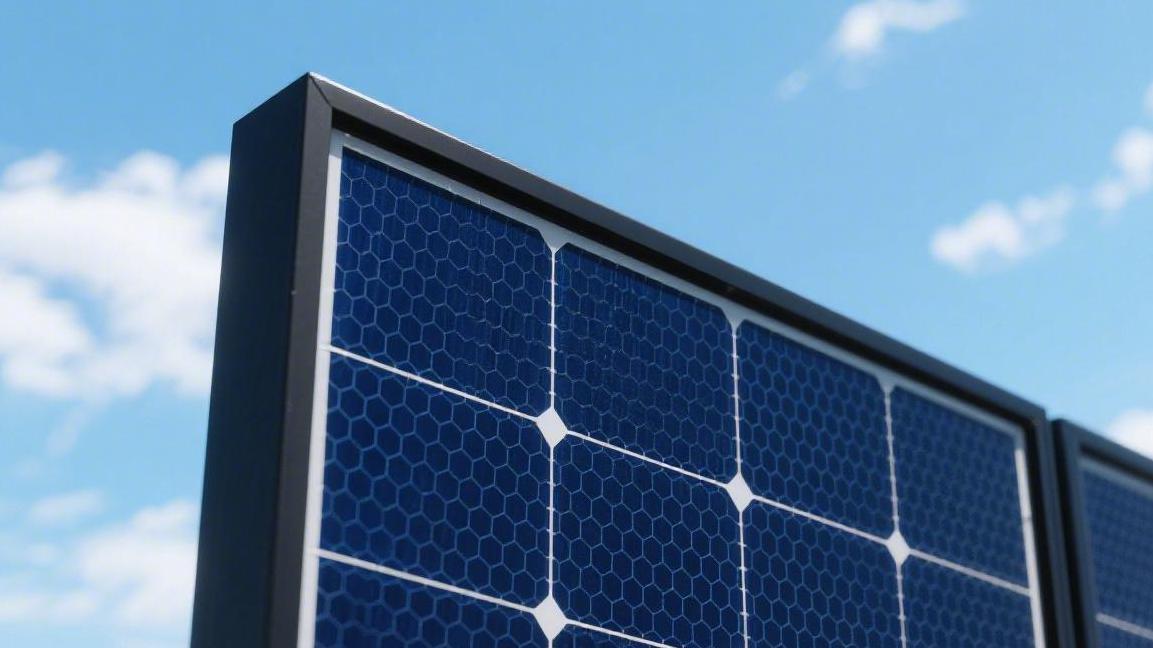
TOPCon vs. PERC
N-type TOPCon and P-type PERC differ in their base materials: the former uses phosphorus-doped wafers, and the latter uses boron-doped wafers. Phosphorus-doped wafers eliminate boron-oxygen complexes, allowing TOPCon to reach a 28.7% theoretical efficiency limit in the lab, far exceeding the 24.5% limit of PERC.
TOPCon features an ultra-thin silicon dioxide tunneling layer of about 1.5 nm on the rear side, paired with a doped polysilicon layer. This structure reduces the carrier recombination rate to below 10 fA/cm², whereas the PERC aluminum back surface field structure typically has a recombination rate around 50 fA/cm².
The reduction in recombination rate manifests in cell voltage output. TOPCon open-circuit voltage (Voc) can exceed 735 mV, while mainstream PERC voltage mostly stays in the 680 mV to 695 mV range. High voltage attributes keep TOPCon mass production efficiency stable above 22.5%, about 25 W higher than same-size PERC modules.
High power density reduces land occupancy and bracket usage; in a 100MW scale plant, TOPCon can reduce pile foundations by about 5.2%. Single module power increases reduce DC-side line loss by about 0.2%, optimizing system output.
Technical Parameter | P-type PERC Module | N-type TOPCon Module | Performance Difference |
Mass Production Efficiency | 21.3% - 21.6% | 22.5% - 23.2% | +1.2% - 1.6% Absolute |
Bifaciality Rate | 65% - 70% | 80% - 85% | ~20% rear-side gain increase |
Temp. Coefficient (Pmax) | -0.34% / °C | -0.29% / °C | ~15% High-temp loss reduction |
1st Year Power Degradation | 2.0% | 1.0% | Stronger initial power security |
Annual Power Degradation | 0.45% - 0.55% | 0.4% | Higher lifecycle total generation |
Bifacial generation capability is a major differentiator; TOPCon's symmetrical structure allows a bifaciality of 80% to 85%. PERC bifaciality generally stays at 70%. In sand or grass environments with 20% reflectivity, TOPCon's rear-side gain contributes more than 3.2% extra power to the system.
The impact of ground reflectivity on rear-side output is as follows:
· Snow (Reflectivity 0.8): TOPCon rear-side gain can reach 22%.
· White Gravel (Reflectivity 0.5): TOPCon rear-side gain can reach 14%.
· Ordinary Cement (Reflectivity 0.3): TOPCon rear-side gain can reach 9%.
· Dark Soil (Reflectivity 0.1): TOPCon rear-side gain is about 3%.
TOPCon's data is -0.29%/°C, superior to PERC's -0.34%/°C. On a summer afternoon with operating temperatures reaching 65°C, TOPCon's power loss is about 1.7% less than PERC. This performance reduces energy loss when modules operate in high-temperature regions.
Regarding long-term reliability, N-type wafers possess anti-LID properties, keeping first-year degradation at 1.0%. P-type PERC modules, affected by boron-oxygen complexes, have first-year degradation around 2.0%. Over a 30-year warranty period, TOPCon's total power degradation is about 4% less than PERC, extending the effective asset life.
Reduction in internal resistance optimizes power performance; TOPCon uses finer metal grid layouts. Through a 16BB (Multi-Busbar) design, series resistance is lowered, allowing efficiency retention to reach 98.5% under 200W/m² low-light conditions. PERC module efficiency retention under the same low light usually drops to 94%.
TOPCon is more sensitive to short-wave UV and long-wave infrared light, extending its morning and evening generation time by about 15 minutes compared to PERC. Annually, this time gain provides about 1.5% extra energy yield.
· LID Degradation: Almost 0 for TOPCon, typically 1.5% for PERC.
· LeTID Degradation: TOPCon is superior; power retention is 0.5% higher after 500 hours.
· Operating Current: TOPCon current ~ 13.5A-14A, compatible with mainstream inverters.
· Module Frame: Most use 30mm high-strength aluminum alloy, withstanding 5400Pa static load.
· Cover Glass: Generally 2.0mm double-glass encapsulation, enhancing anti-PID capability.
From a Balance of System (BOS) perspective, high power density reduces bracket and cable usage. In areas with high labor costs like Australia, using TOPCon can reduce installation hours by about 3%. Combined with lifecycle performance, its LCOE is 3.5% to 5.2% lower than PERC projects.
Manufacturing-wise, TOPCon adds boron diffusion and tunneling oxide deposition steps to the PERC line. Although the process flow increases by about 30%, the efficiency gains offset the per-watt production cost. In anti-PID testing, TOPCon module power loss is less than 1.5% under double IEC standards (192 hours).