
Society
Tongwei has always implemented the concept of green development, actively practiced the goals of the dual-carbon strategy, and is committed to promoting sustainable, high-quality development of society.
Product Quality and Safety Management
Sustainable Supply Chain
Human Capital Development
Product Quality and Safety Targets
Tongwei has always viewed product quality and safety as the lifeline of its development, and it commits to building a high-quality, high-standard management system that covers the entire industrial chain.
2026 Targets:
The company adopts and implements ISO 9001 Quality Management, ISO 37301 Compliance Management, and various specialized management systems. The Company complies with national laws and regulations and strictly controls product quality to achieve the objectives of a 100% pass rate for ex-factory products, zero quality and safety incidents, and a 100% customer complaint handling rate.
2026 Targets:
The company adopts and implements ISO 9001 Quality Management, ISO 37301 Compliance Management, and various specialized management systems. The Company complies with national laws and regulations and strictly controls product quality to achieve the objectives of a 100% pass rate for ex-factory products, zero quality and safety incidents, and a 100% customer complaint handling rate.
Full Lifecycle Quality Management
Tongwei comprehensively applies refined management principles throughout the entire product lifecycle, from procurement source, production processes, finished product inspection, to product recall, forming a full-process, closed-loop management system to ensure continuous control over product quality and safety.
Product introduction phase:
Conduct industry benchmarking to collect the latest product quality data from competitors; develop product development plans with clearly defined objectives, timelines, and expected outcomes for each phase.
Product Testing Phase:
Strictly monitor and control testing processes in accordance with management procedures; promptly organize and analyze data to identify and optimize potential issues; evaluate whether validation samples meet criteria for normal inventory to prevent risky products from entering circulation; for tests involving animal experimentation, strictly adhere to the 3R Principles (Replacement, Reduction, Refinement) to mitigate potential risks.
Product mass production phase:
Establish material acceptance and incoming inspection standards; automate manufacturing processes and quality inspections; conduct regular patrol inspections and specialized audits; apply PDCA (Plan-Do-Check-Act) cycles for continuous quality improvement; audit potential quality issues and drive production line optimizations to prevent non-conforming products.
Handling of non-conforming products:
Develop monthly, quarterly, and annual reliability testing plans to monitor finished product reliability; perform root cause analysis and implement corrective measures.
Conduct industry benchmarking to collect the latest product quality data from competitors; develop product development plans with clearly defined objectives, timelines, and expected outcomes for each phase.
Product Testing Phase:
Strictly monitor and control testing processes in accordance with management procedures; promptly organize and analyze data to identify and optimize potential issues; evaluate whether validation samples meet criteria for normal inventory to prevent risky products from entering circulation; for tests involving animal experimentation, strictly adhere to the 3R Principles (Replacement, Reduction, Refinement) to mitigate potential risks.
Product mass production phase:
Establish material acceptance and incoming inspection standards; automate manufacturing processes and quality inspections; conduct regular patrol inspections and specialized audits; apply PDCA (Plan-Do-Check-Act) cycles for continuous quality improvement; audit potential quality issues and drive production line optimizations to prevent non-conforming products.
Handling of non-conforming products:
Develop monthly, quarterly, and annual reliability testing plans to monitor finished product reliability; perform root cause analysis and implement corrective measures.
Management of Hazardous Substances in Products
Tongwei places product safety as its top priority and fully implements the green and environmental protection concept. During the R&D phase, the Company strictly controls hazardous substances to ensure compliance with the EU's RoHS Directive and REACH Regulation. The Company enforces strict control over its supply chain by requiring suppliers to provide compliance test reports, and uses environmentally friendly materials such as fluorine-free back sheets to reduce the use of hazardous substances, significantly lowering environmental risks. After undergoing third-party authoritative tests, the products can meet the stringent requirements of markets such as Europe and Japan.The Company's PV products have passed regular hazardous substance tests and remain committed to continuously providing clients with safe and reliable product solutions.
Product Recall Management
The Company has established the Product Recall Policy and other institutional documents to strictly regulate the product recall procedure, clarify the conditions for triggering a recall, the evaluation, approval, execution, and record-keeping steps, ensuring a prompt response where quality issues are identified, thereby protecting client rights and maintaining the Company's reputation. In 2025, Tongwei Co., Ltd. rigorously implemented its quality management system, achieving zero product recalls throughout the year with no recall-related expenditures.
Initiate the recall procedure
Immediately initiate the recall procedure when potential quality or safety risks are identified in products.
Product recall review meeting
Convene a product recall review meeting to assess whether to recall products
Handling Decision
If no recall is required
implement other effective measures to resolve the issue
Recall product
To communicate with clients , follow the Client Complaint Handling Process
To process recalled products, follow the Non-Conforming Product Control Procedures
To process recalled products, follow the Non-Conforming Product Control Procedures
Implementation & Information Management
Document the entire recall process, promptly disclose the handling results, and complete relevant documentation archiving.
Adhering to the principle of long-term collaboration and mutual growth with suppliers, Tongwei is committed to building a green and sustainable digital supply chain system and fostering a co-created and win-win supply chain ecosystem. The Board of Directors, as the highest governance body, ensures the company's supply chain ESG strategy is fully aligned with its sustainable development goals through regular oversight of ESG initiatives throughout the supply chain.
Supply Chain Sustainable Development Goals
From 2024 to 2026, the company will complete risk identification and on-site audits of key raw material suppliers in stages, continuously building and optimizing the sustainable supply chain system.
2024 Achievement: Achieved full compliance coverage among major raw material suppliers, with 100% signing rates for the Social Responsibility Commitment, Compliance Commitment, and Integrity Commitment.
2025 Target: Advance ESG risk management systematically, aiming to achieve 100% coverage in ESG risk identification and assessment for major raw material suppliers.
2026 Target: Deepen sustainable supply chain practices, with the goal of reaching a 100% on-site audit completion rate for core raw material suppliers.
2024 Achievement: Achieved full compliance coverage among major raw material suppliers, with 100% signing rates for the Social Responsibility Commitment, Compliance Commitment, and Integrity Commitment.
2025 Target: Advance ESG risk management systematically, aiming to achieve 100% coverage in ESG risk identification and assessment for major raw material suppliers.
2026 Target: Deepen sustainable supply chain practices, with the goal of reaching a 100% on-site audit completion rate for core raw material suppliers.
Full Life Cycle ESG Risk Management
Supplier Screening:
When screening suppliers, a comprehensive assessment is made of the candidate’s business relevance, together with a cautious evaluation of potential risks associated with their country, industry, and main products.
New suppliers must complete an ESG self-assessment questionnaire, submit ESG qualification documents such as ISO 14001 and ISO 45001 certifications, sign documents including the Supplier Guidelines, Social Responsibility Commitment Letter, and Supplier Conflict Minerals Commitment and Declaration, and undergo compliance due diligence and an on-site ESG inspection. Non-compliant candidates will be directly disqualified.
Supplier Classification:
Suppliers are categorized based on the criticality of their materials to final product quality, with classification levels determined by material type.
Supplier ESG Audit:
A “Supplier Scorecard” is used to evaluate supplier performance. Based on the supplier type, monthly, quarterly, or annual evaluations are conducted, covering dimensions such as ESG, quality, and technical capabilities.
Regular on-site ESG inspections are conducted for suppliers according to the Annual Qualified Supplier Audit Plan and the Monthly Supplier Audit Plan, with scores given using the “Supplier Scorecard”.
Suppliers with excellent ESG performance will have their supplier rating upgraded, be given procurement priority, and receive recognition or incentives.
Supplier Exit:
If a supplier commits an ESG “zero-tolerance” violation during the partnership or if a major unexpected ESG incident occurs that has a substantial negative impact on Tongwei’s business continuity or brand reputation, we will take measures such as downgrading the supplier or placing it on the supplier blacklist, based on the investigation results and the severity of the incident.
Continuous ESG Capability Empowerment for Suppliers:
Based on the current status of suppliers’ ESG management and their actual capability gaps, the sustainable supply chain management team implements targeted improvement plans, including organizing specialized ESG training, on-site coaching, and best practice exchanges for suppliers, with a focus on enhancing capabilities in environmental protection, safety, labor rights, and compliance management.
Rectification Tracking and Feedback:
For non-conformities identified during audits, rectification requests are issued to suppliers and their progress is continuously tracked.
When screening suppliers, a comprehensive assessment is made of the candidate’s business relevance, together with a cautious evaluation of potential risks associated with their country, industry, and main products.
New suppliers must complete an ESG self-assessment questionnaire, submit ESG qualification documents such as ISO 14001 and ISO 45001 certifications, sign documents including the Supplier Guidelines, Social Responsibility Commitment Letter, and Supplier Conflict Minerals Commitment and Declaration, and undergo compliance due diligence and an on-site ESG inspection. Non-compliant candidates will be directly disqualified.
Supplier Classification:
Suppliers are categorized based on the criticality of their materials to final product quality, with classification levels determined by material type.
Supplier ESG Audit:
A “Supplier Scorecard” is used to evaluate supplier performance. Based on the supplier type, monthly, quarterly, or annual evaluations are conducted, covering dimensions such as ESG, quality, and technical capabilities.
Regular on-site ESG inspections are conducted for suppliers according to the Annual Qualified Supplier Audit Plan and the Monthly Supplier Audit Plan, with scores given using the “Supplier Scorecard”.
Suppliers with excellent ESG performance will have their supplier rating upgraded, be given procurement priority, and receive recognition or incentives.
Supplier Exit:
If a supplier commits an ESG “zero-tolerance” violation during the partnership or if a major unexpected ESG incident occurs that has a substantial negative impact on Tongwei’s business continuity or brand reputation, we will take measures such as downgrading the supplier or placing it on the supplier blacklist, based on the investigation results and the severity of the incident.
Continuous ESG Capability Empowerment for Suppliers:
Based on the current status of suppliers’ ESG management and their actual capability gaps, the sustainable supply chain management team implements targeted improvement plans, including organizing specialized ESG training, on-site coaching, and best practice exchanges for suppliers, with a focus on enhancing capabilities in environmental protection, safety, labor rights, and compliance management.
Rectification Tracking and Feedback:
For non-conformities identified during audits, rectification requests are issued to suppliers and their progress is continuously tracked.
If a supplier is involved in the following "zero-tolerance items " and poses significant potential risks, Tongwei reserves the right to terminate the new supplier introduction process or to cease cooperation with suppliers already in the pool.
Failure to obtain the necessary environmental permits
Illegal discharge of air emissions, wastewater, or solid wastes
Serious occupational health and safety problems
Failure to obtain the necessary occupational health evaluation, safety evaluation, filing and acceptance
Failure to obtain fire permits
Child labor, discrimination, forced labor, etc.
Failure to comply with the payment of employee salaries and benefits
Use of forged or false documents
Major breach of trust records
Commercial bribery
Unauthorized subcontracting
Use or procurement of mineral resources from conflict areas
Failure to obtain the necessary environmental permits
Illegal discharge of air emissions, wastewater, or solid wastes
Serious occupational health and safety problems
Failure to obtain the necessary occupational health evaluation, safety evaluation, filing and acceptance
Failure to obtain fire permits
Child labor, discrimination, forced labor, etc.
Failure to comply with the payment of employee salaries and benefits
Use of forged or false documents
Major breach of trust records
Commercial bribery
Unauthorized subcontracting
Use or procurement of mineral resources from conflict areas
Supplier Audit

Responsible Procurement

(1)Labor Safety and Health
We are dedicated to collaborating with our suppliers to establish a workplace characterized by dignity, ethical standards, safety, and health protection. We conduct targeted assessments on critical issues such as child labor, forced labor, working hours, and labor safety and health. Through various channels, we assess the labor health and safety conditions maintained by our suppliers to ensure strict adherence to labor rights and the provision of a safe working environment that aligns with established standards.

(2)Green and Low-Carbon Supply Chain
Adhering to the concept of green development, we actively implement green procurement and promote the green transformation of suppliers to create a low-carbon supply chain.
Green Procurement:
We give full consideration to factors such as environmental protection, resource conservation, recycling and low-carbon, prioritizing the sourcing and utilization of energy-efficient, water-efficient, and material-efficient materials, products, and services under equal conditions. Furthermore, we proactively steer suppliers towards establishing a sustainable value chain within the industry.
Energy Saving and Consumption Reduction:
We introduce advanced energy-saving technologies and equipment, promote packaging-free, green packaging and recyclable materials, and improve overall supply chain energy efficiency.

(3)Conflict Minerals
We strictly adhere to the UN Global Compact, OECD’s Due Diligence Guidance for Responsible Supply Chains of Minerals from Conflict-Affected and High-Risk Areas, the Responsible Minerals Initiative (RMI), as well as other international conventions and industry initiatives. We procure mineral raw materials conscientiously, striving to ensure that all raw materials for our products are sourced in an appropriate manner. We actively promote suppliers to complete the CMRT Conflict Minerals Questionnaire while consistently carrying out the Company's responsible sourcing program.
(4)Procurement Traceability
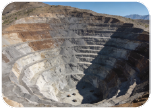
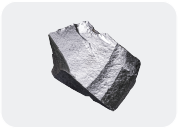
Tongwei has traceability capabilities extending from modules all the way back to silicon ore, and its products—including modules, cells, wafers, ingots, polysilicon, and metallurgical-grade silicon—can be supplied through an internally integrated system.
Silicon Ore
External
Tongwei Manufacturing Facilities
MGS

Sichuan Province
Inner Mongolia
Inner Mongolia
Polysilicon
Sichuan Province
Inner Mongolia
Yunnan Province
Inner Mongolia
Yunnan Province
Ingots

Sichuan Province
Wafers

Sichuan Province
Cells

Sichuan Province
Modules

Jiangsu Province
Tongwei’s tracing methodology/capabilities have been verified by independent third-party entities such as STS, TÜV Rheinland, etc. According to the Supply Chain Verification conducted by TÜV Rheinland, the sectors of Module, Wafer, Ingot, and Polysilicon have attained AA ratings respectively, and sector of Cell has attained an A rating.
| Supply Chain | Traceability Capability |
Remark: AA-Outstanding level, >80 score A-Common level, 65 ≥score B-Need improvement, ≥55 score C-Only meet basic requirement, <55 score F-Material information untraceable 0 score, critical item fails Supply Chain Verification conducted by TÜV Rheinland |
|---|---|---|
| PV Module | AA | |
| PV Cell | A | |
| PV Wafer | AA | |
| PV Ingot | AA | |
| Polysilicon | AA |
Tongwei adheres to the management philosophy of "effective management hinges on personnel selection" and places significant emphasis on holistic talent development. Over the years, we are committed to establishing a diverse, inclusive, healthy, and safe work environment to uphold the fundamental rights and well-being of employees, fostering their continuous growth, and pursuing mutual advancement for both the organization and workforce.


Contact Us
You can through the following contact information to provide your feedback
twesg@tongwei.com