Monocrystalline Solar Panels | Everything You Need to Know
With a leading conversion efficiency of 20% to 24% and a lifespan of over 25 years, monocrystalline silicon solar panels achieve maximum power output and excellent stability within a limited installation area through high-purity monocrystalline silicon manufacturing processes, making them the preferred solution for photovoltaic projects seeking long-term and stable energy returns.
Efficiency and Performance
Monocrystalline modules utilize P-type PERC or N-type TOPCon technology, with photoelectric conversion efficiencies ranging from 21% to 24.5%.
On a 15-square-meter residential rooftop, monocrystalline panels can provide approximately 3.3 kW of installed capacity, which is more than 20% higher in power output compared to polycrystalline panels.
Their lower temperature coefficient reduces power loss by approximately 15% compared to ordinary modules when panel temperatures reach high levels of 40 degrees Celsius.
Calculated over a 30-year usage cycle, the total power generation is about 30% higher than that of polycrystalline modules of the same size.
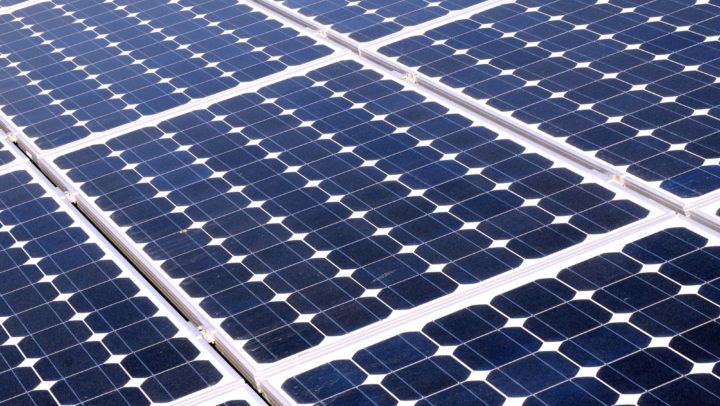
Space Output Levels
In the current residential rooftop market, the nominal efficiency of mainstream monocrystalline modules generally remains between 21% and 23.2%.
Taking a 54-cell module composed of standard M10 size (182 mm x 182 mm) cells as an example, its physical dimensions are approximately 1722 mm x 1,134 mm, with a total area of about 1.95 square meters.
The current output power of such modules can reach 415W to 430W, resulting in an output power per square meter of approximately 212W to 220W.
In contrast, traditional P-type polycrystalline modules usually have an output power of only 330W to 350W for the same area, with an output of only about 170W per square meter.
This performance gap of nearly 30% is particularly evident on space-constrained urban residential rooftops.
If a typical detached house has an available roof area of 40 square meters, installing monocrystalline modules can achieve an installed capacity of about 8.6 kW, whereas polycrystalline modules could only provide about 6.8 kW.
Modern monocrystalline modules have increased the effective light-receiving area ratio to over 96% by reducing the gaps between cells and adopting Multi-Busbar (MBB) technology. Early modules had thicker main bus bars that blocked about 3% of incoming light, while current circular ribbon technology has reduced the shading area to less than 1%.
For different application scenarios, the space occupancy of monocrystalline modules exhibits different data characteristics.
The following table compares the physical space and related installation parameters required for different efficiency levels under a 5 kW (kW) system scale.
Performance Metric | High-Efficiency Mono (23% Efficiency) | Standard Mono (21% Efficiency) | Traditional Poly (17% Efficiency) |
Area required for 5 kW system | 21.7 square meters | 23.8 square meters | 29.4 square meters |
Number of modules for 5 kW system | Approx. 12 pieces (420W) | Approx. 13 pieces (385W) | Approx. 16 pieces (310 W) |
Peak power per square meter | 230 Watts | 210 Watts | 170 Watts |
Mounting rail length | Approx. 26 meters | Approx. 29 meters | Approx. 35 meters |
Roof load pressure (kg/m2) | 10.5 | 11.2 | 13.5 |
In villa rooftop installations in the European and American markets, building codes often require maintaining a 36-inch (approx. 91 cm) safety pathway, which further compresses the available layout area.
The high power density of monocrystalline modules allows installers to reach expected power outputs while avoiding vent pipes, skylights, and shaded areas.
For example, when dealing with a complex L-shaped roof, using 550W large-format monocrystalline modules (usually 2,278 mm x 1,134 mm) results in a single-panel area of 2.58 square meters, but the reduction in total module count decreases the number of required roof attachment points.
Reducing the number of attachment points lowers the risk of roof leakage and reduces labor installation time by approximately 15%.
The application of large-size silicon wafers like G12 (210 mm), combined with triple-cut technology, keeps the open-circuit voltage of a single module within a reasonable range while increasing current. This electrical performance optimization is also achieved through the extreme utilization of physical space.
The evolution of silicon wafer sizes has significantly driven space utilization. From early M2 (156.75 mm) to the current M10 and G12, the wafer area has increased by more than 50%.
Due to the high unit power of monocrystalline panels, the length of aluminum alloy brackets, bolts, clamps, and PV DC cables required to achieve the same total capacity is correspondingly reduced.
According to residential PV installation data from California, using monocrystalline modules with 22% efficiency can reduce the cost of racking systems and cabling by approximately $0.05 per watt compared to using modules with 19% efficiency.
High Temperature Tolerance
Under Standard Test Conditions (STC), the ambient temperature is set at 25 degrees Celsius, but in actual operation, panel surface temperatures often soar to 60 or even 75 degrees Celsius due to solar radiation and heat dissipation constraints. For ordinary P-type monocrystalline modules, the power temperature coefficient is typically between -0.34% and -0.38% per degree Celsius. If the panel temperature reaches 65 degrees Celsius (40 degrees above the baseline), the total power output will drop by about 14% to 15%. However, with the popularization of N-type TOPCon and Heterojunction (HJT) technologies, the thermal stability of monocrystalline modules has been significantly improved. The temperature coefficient of N-type monocrystalline cells has been optimized to -0.29% to -0.30% per degree Celsius, while HJT modules have reached as low as -0.26% per degree Celsius. In Phoenix, Arizona, or the deserts of central Australia, this slight difference in coefficients can lead to a 4% to 6% gap in annual total power generation.
Energy movement inside semiconductors is affected by thermal vibrations. When the temperature rises, the vibration of silicon atoms intensifies, increasing the resistance for electrons passing through the PN junction.
The NOCT (Nominal Operating Cell Temperature) of monocrystalline modules usually fluctuates around 45 degrees Celsius (±2 degrees).
When air velocity is low or panels are installed on dark asphalt shingle roofs, the passive heat dissipation efficiency of the panels decreases.
While the dark surface of monocrystalline modules is efficient at absorbing light energy, it also absorbs more infrared thermal energy.
· Voltage Drop Effect: The impact of high temperature on monocrystalline modules is mainly reflected in the drop of open-circuit voltage (Voc). For every degree Celsius increase, the voltage drop is far greater than the slight increase in current, leading to lower total power.
· Thermal Cycling Endurance: Monocrystalline cells have higher mechanical strength. In desert environments with huge day-night temperature differences, the thermal expansion coefficients of the cells and busbars are better matched, reducing the risk of micro-cracks caused by thermal stress.
· Bifacial Gain: Many high-performance monocrystalline panels adopt a bifacial architecture. The ambient light absorbed by the rear side does not carry high-intensity infrared heat, which provides a better heat dissipation surface area ratio compared to monofacial modules of the same power while increasing output.
· First-year Degradation Control: In continuous high-temperature environments, the Light Induced Degradation (LID) and Light and elevated Temperature Induced Degradation (LeTID) resistance of monocrystalline modules are fundamental to ensuring long-term returns. Current N-type monocrystalline technology has essentially eliminated these negative thermal effects.
For commercial flat roof installations, reasonable physical clearance is crucial for high-temperature tolerance. Research shows that maintaining a ventilation gap of at least 10 cm (about 4 inches) between the back of the monocrystalline panel and the roof surface can reduce panel temperature by 5 to 8 degrees Celsius through natural convection. This simple engineering adjustment can contribute an additional 1.2 kWh of power gain per day during California summers.
Over a 25-year operating cycle, monocrystalline panels exhibit more linear performance degradation characteristics under high-temperature exposure due to the singularity of their physical structure.
While ordinary modules may see a steep drop in their power curve after 10 years of continuous high-temperature operation, high-quality monocrystalline modules can maintain a stable annual degradation of 0.4% to 0.5%.
Low-light Capture Capability
In the PV industry standards, low-light performance is usually tested using an irradiance intensity of 200 Watts per square meter as a baseline.
Compared to polycrystalline silicon cells, monocrystalline cells have higher internal electron mobility and are minimally affected by grain boundary defects.
When cloud cover or solar angle shifts cause irradiance to drop from the standard 1,000 W/m² to 200 W/m², the relative conversion efficiency degradation of high-quality monocrystalline modules is typically controlled within 3%, whereas ordinary modules often see a drop of 5% to 8%.
This phenomenon of maintaining high efficiency in low-light environments stems from the extremely high shunt resistance of monocrystalline silicon, which effectively prevents charge leakage or recombination within the cell under low-current conditions.
In regions with year-round rainy weather like London or Seattle, this slight advantage in efficiency retention accumulates into an extra 7% to 10% annual energy yield.
Monocrystalline modules have a wider spectral response range than traditional technologies, performing particularly well in the long-wavelength near-infrared region.
On overcast or cloudy days, the atmosphere strongly scatters short-wavelength (blue-violet) light, significantly increasing the proportion of long-wavelength infrared light reaching the ground.
Monocrystalline silicon cells have an extremely high absorption coefficient for photons in the 700 nm to 1100 nm range.
· Spectral Response Shift Characteristics: During early morning or evening, as atmospheric thickness causes the spectrum to shift toward the red end, the internal quantum efficiency (IQE) of monocrystalline cells can remain above 90%.
· Passivated Emitter and Rear Cell (PERC) Technology: Modern monocrystalline modules using PERC technology add a passivation layer and a reflective layer on the back of the cell to reflect unabsorbed long-wave photons back into the silicon for secondary capture. This mechanism increases the optical path length in low-light environments, improving long-wave light utilization by more than 3%.
· Fill Factor Stability: Under low irradiance, the fill factor of monocrystalline cells can be maintained between 0.78 and 0.80, ensuring a smooth power output curve and reducing systematic internal losses caused by current fluctuations.
· Start-up Current Sensitivity: Carrier lifetime in monocrystalline silicon typically exceeds 1,000 microseconds, allowing it to generate sufficient current to drive external circuits even under extremely low light conditions.
In areas such as forest edges, frequent building shadows, or snow-covered regions with high ground reflectivity, light often enters the cells in a non-direct form.
The textured surface of monocrystalline cell wafers, treated with acid etching, forms countless microscopic pyramid structures that trap incident light inside the cell through multiple refractions.
In extreme overcast conditions with irradiance of only 100 W/m², monocrystalline modules can still generate 8% to 12% of their rated power, whereas thin-film or older modules under the same conditions often stop effective output entirely.
Durability and Maintenance
The design lifespan of monocrystalline silicon panels generally exceeds 30 years. According to the IEC 61,215 standard, these panels have a first-year degradation rate of about 2%, followed by a linear annual decline of 0.4% to 0.55%.
The surface is covered with 3.2 mm high-transmittance tempered glass, capable of withstanding the impact of 25 mm diameter hailstones traveling at 82 km/h.
The modules have passed tests for 5400 Pa (approx. 550 kg/m²) of positive snow load and 2400 Pa of negative wind pressure.
Throughout their lifecycle, the power output usually remains above 85% of the original nominal power.
Operational Lifespan
Under Standard Test Conditions (STC), monocrystalline modules exhibit extremely strong anti-aging characteristics.
The first-year degradation rate of mainstream P-type monocrystalline modules on the market is usually maintained at 2% to 2.5%, with a subsequent annual linear degradation rate fluctuating around 0.5%.
In contrast, emerging N-type monocrystalline technologies, such as TOPCon or HJT heterojunction, avoid Light Induced Degradation (LID) caused by boron-oxygen complexes by changing the doping element (using phosphorus instead of boron).
N-type modules can control first-year degradation to within 1%, with subsequent annual power drops of only about 0.4%.
This technical optimization allows panels to maintain 87% to 89% of their initial nominal power even after 30 years of their lifecycle, which is much higher than the guaranteed levels of traditional modules.
Metric Dimension | P-type Mono (PERC) Standard Data | N-type Mono (TOPCon) Standard Data | N-type Mono (HJT) Standard Data |
First-year power warranty | 98.0% | 99.0% | 99.0% |
Annual linear degradation rate | 0.45% - 0.55% | 0.40% | 0.25% - 0.37% |
Remaining power after 25 years | 84.8% | 87.4% | Above 90% |
Remaining power after 30 years | 82.0% (Estimated) | 85.4% | 88.0% |
Cell thickness range | 160μm - 170μm | 140μm - 150μm | 120μm - 130μm |
The outer 3.2 mm ultra-white patterned tempered glass has extremely high mechanical strength, capable of not only withstanding 5400 Pa of positive static load but also defending against hail impacts at speeds of up to 23 meters per second.
This external protective structure shields the brittle silicon wafers inside, which are only about 150 microns thick.
During long-term operation, panels may face Potential Induced Degradation (PID), which is performance degradation caused by charge leakage in high-voltage environments.
To extend operational years, modern monocrystalline panels often use high-performance Polyolefin Elastomer (POE) encapsulant film instead of ethylene-vinyl acetate (EVA), as POE has a lower water vapor transmission rate and higher volume resistivity, effectively blocking moisture and reducing PID risk.
In distributed PV projects in North America and Europe, the stability of monocrystalline modules has made them the preferred choice for asset financing, with financial institutions typically conducting yield calculations based on 25- to 30-year cash flow models.
Environmental Stress Factor | Test Standard and Parameters | Actual Life Performance |
Anti-PID capability | 85°C / 85% Humidity / -1500V Bias | Power degradation < 2% after 192 h test |
Salt mist corrosion | IEC 61701 Level 6 | Suitable for coastal areas; brackets and J-boxes do not corrode |
Dynamic mechanical load | Cyclic pressure 1000 Pa | Prevents invisible micro-cracks in cells caused by high winds |
Ammonia resistance | IEC 62716 Certified | Suitable for farm environments; prevents gas damage to seals |
Monocrystalline panels now commonly adopt Multi-Busbar (MBB) designs, reducing the current transmission distance on fine fingers by increasing the number of ribbons (e.g., from 5 to 9 or 12).
This design lowers the risk of current loss caused by cell micro-cracks.
If a small area is damaged, the MBB structure allows current to bypass the damaged point, maintaining the overall module's power output.
Junction boxes usually feature IP68 dustproof and waterproof protection, with integrated bypass diodes that automatically conduct during partial shading to prevent hot spot effects and localized high temperatures that could burn the backsheet.
The backsheet material consists of multiple layers of fluorinated film, providing excellent UV resistance to prevent yellowing or cracking under 20 to 30 years of intense sunlight.
Withstanding Extreme Weather
The surface layer of the panels usually employs 3.2 mm to 4.0 mm high-transmittance tempered glass, a material that possesses extremely high mechanical impact resistance after heat treatment.
When dealing with hail strikes, standard testing requires the module to withstand a 25 mm (approx. 1 inch) diameter ice ball hitting directly at a speed of 23 m/s (approx. 82.8 km/h) without producing visible cracks or more than 5% power degradation.
In parts of North America or Northern Europe where large hail is frequent, some high-end monocrystalline modules have passed even higher-level tests, resisting impacts from hailstones up to 35 mm or even 45 mm in diameter.
This protection mechanism prevents the approximately 150-micron-thick silicon wafers from developing micro-cracks due to uneven forces, ensuring smooth current flow through the fine fingers.
· Hail impact test energy: A 25 mm ice ball at 23 m/s produces 1.99 Joules of kinetic energy
· Glass hardness index: Mohs hardness scale is usually between 6 and 7
· Panel pressure resistance: 3.2 mm thickness can withstand static loads of 2400 Pa to 5400 Pa per unit area
· Frame material: 6063-T5 grade anodized aluminum alloy, with an oxide layer thickness exceeding 15 microns
In the European Alps or high-latitude regions of Canada, winter snow depth can exceed 1.5 meters.
The back of monocrystalline modules is usually designed with transverse reinforcement ribs, giving them a positive load-bearing capacity of 5400 Pascals, equivalent to about 550 kg per square meter.
In storm-prone coastal zones, modules must handle very high negative wind pressures to prevent panels from being lifted off the racking by airflow.
Through Dynamic Mechanical Load (DML) testing, modules remain structurally stable after 1500 cycles of pressure at 1000 Pa.
· Positive snow load limit: 5400 Pa (Standard) to 7200 Pa (Reinforced)
· Negative wind pressure limit: 2400 Pa (to withstand winds exceeding 200 km/h)
· Dynamic load cycles: 1500 cycles at a frequency of 3 to 15 times per minute
· Frame wall thickness: Mainstream designs range from 1.2mm to 2.0mm to balance weight and strength
Salt mist corrosion is a major threat to coastal PV projects, as moisture containing sodium chloride accelerates aluminum frame oxidation and erodes electrical connections inside the junction box.
High-quality monocrystalline modules have passed the most stringent IEC 61701 Level 6 test, operating for weeks under 5% salt spray without insulation failure.
To combat the risk of Potential Induced Degradation (PID) in high-humidity areas, monocrystalline cell encapsulation processes use Polyolefin Elastomer (POE) film.
POE material has a water vapor transmission rate of only 0.5 to 3.0 g/m²/day, far lower than traditional EVA, cutting off the possibility of moisture and metal ions forming conductive paths on the cell surface and ensuring no significant power drop under high-voltage operation.
· Salt mist test cycles: 96 to 240 hours of continuous spraying
· WVTR Comparison: POE film (2.0 g/m²/day) vs. EVA film (20 g/m²/day)
· Insulation resistance requirement: No less than 40 MΩ at 1000V DC
· Waterproof rating: Junction box must meet IP68 standards, supporting 30-minute immersion at 1.5 m depth
Monocrystalline silicon has a lower temperature coefficient, typically between -0.34%/°C and -0.39%/°C.
When summer ambient temperatures reach 45°C and module surface temperatures rise to 75°C, the lower internal resistance of monocrystalline cells results in better thermal loss performance than polycrystalline modules.
Regarding sand abrasion, the Anti-Reflective Coating (ARC) on the tempered glass must have strong adhesion to prevent long-term sand impacts from reducing transmittance.
For ammonia-corrosive environments like those near livestock farms (common in the Middle East), modules must be IEC 62716 certified to ensure plastic back sheets and seals do not become brittle or crack upon contact with corrosive gases.
· Temperature coefficient performance: Output power drops by about 0.35% for every 1°C increase
· Sand abrasion standard: Falling sand test according to ASTM D968, with transmittance loss controlled within 3%
· Thermal cycle life: 200 to 600 cycles between -40°C and +85°C
· UV resistance: Withstands at least 15 kWh/m² of UV radiation without back sheet yellowing
Bypass diodes integrated within the junction box automatically guide current around shaded cells during localized shading caused by extreme weather (e.g., leaves or partial snow cover), preventing hot spots exceeding 150°C.
For long-term exposure to strong UV, back sheet materials are typically chosen from fluorinated composite films, which possess strong chemical bonds capable of resisting solar decomposition for over 25 years, maintaining the vacuum seal and preventing internal circuit oxidation.
Daily Cleaning Strategy
Dust accumulation (soiling) on PV module surfaces can lead to a power generation drop of 5% to 25%.
In arid regions with insufficient rainfall, an accumulation of 5 grams of dust per square meter can reduce the transmittance of monocrystalline silicon cells by about 15%.
An effective cleaning strategy is not just about removing dirt, but also about protecting the Anti-Reflective Coating (ARC) on the 3.2mm tempered glass.
It is generally recommended to start cleaning procedures when the real-time current output shown by the monitoring system drops by more than 8% compared to historical sunny-day data for the same period.
By using deionized water with Total Dissolved Solids (TDS) below 200 ppm and soft fiber brushes, system efficiency can be restored to over 98% of the nominal value.
Deposits on monocrystalline modules primarily consist of dust with particle diameters under 10 microns, bird droppings, and plant pollen.
These substances form a semi-transparent mud layer with morning dew, which dries and adheres firmly to the glass surface.
Data indicates that in the absence of rain for three months, the output power of monocrystalline panels decreases at a rate of about 0.2% per day.
For distributed power stations with an installation angle of less than 10 degrees, the dust accumulation rate is 35% higher than that of stations with a 30-degree tilt due to weaker gravitational self-cleaning effects.
Bird droppings not only block sunlight, but their high acidity can also corrode the nano-coatings on the glass surface under long-term sunlight.
Localized shading turns the covered monocrystalline silicon cells into energy consumers, and localized temperatures can soar to over 80°C in just a few minutes; this hot spot phenomenon is destructive to module lifespan.
· Dust concentration to power loss ratio: 1 g/m² corresponds to ~4.5% loss; 5 g/m² to ~15.2% loss; 10 g/m² to ~22.8% loss.
· Impact of shading types: Uniform dust mainly affects current (Isc); localized bird droppings or leaves induce voltage (Voc) fluctuations and severe localized temperature rises.
· Self-cleaning tilt threshold: When the slope is greater than 15 degrees, more than 5 mm of rainfall can wash away 80% of soluble dirt.
· Coating thickness: Anti-reflective coatings are usually only 100 to 150 nanometers thick; rough cleaning can thin the coating, causing a permanent transmittance drop of 0.5% to 1.2%.
Ordinary tap or well water contains large amounts of calcium, magnesium ions, and silicates. If sprayed directly and allowed to air-dry in the sun, it will leave white mineral deposits (limescale).
These crystals are typically harder than the ARC and have a strong refractive effect, changing the angle of incident light. Technical specifications require the pH of cleaning water to be between 6 and 8.
If local water hardness exceeds 75 mg/L, water softening equipment must be used.
The water pressure of cleaning equipment should be strictly limited to below 3500 kPa (approx. 35 bar). Excessive pressure can cause invisible micro-cracks in the glass or force moisture through seals into the back sheet edges, leading to a drop in insulation resistance.
In the middle of a summer day, the operating temperature (NOCT) of monocrystalline panels is usually between 45°C and 70°C.
Spraying cold water around 20°C at this time creates massive thermal stress on the glass surface.
While tempered glass has high compressive strength, the probability of shattering rises from 1 in 10,000 to 3% when the instantaneous temperature difference exceeds 40°C.
The ideal cleaning window is within two hours after sunrise or before sunset, when the panel temperature is close to the ambient temperature and residual moisture has enough time to evaporate without freezing at night and damaging the frame.
In winter, when the ambient temperature is below 0°C, water-based cleaning is prohibited to prevent water from seeping into frame gaps, freezing, expanding, and causing structural damage.
· Best operating periods: 6:00 AM - 8:00 AM or 6:00 PM - 8:00 PM.
· Brush material requirements: Use nylon filaments with diameters of 0.06 mm to 0.1 mm; hardness should be below 3H to prevent scratches.
· Prohibited tools list: Steel wool, scrapers, high-pressure water nozzles, and any detergents containing abrasive particles are banned.
· Electrostatic protection: In dry seasons, dry wiping generates static electricity that attracts more dust; always use wet cleaning or specialized brushes treated for anti-static.
From an economic perspective, cleaning strategies should be dynamically adjusted based on the local Levelized Cost of Energy (LCOE).
In a 10 kW residential monocrystalline system (approx. 25 panels), if a single professional cleaning costs around $100, the cleaning is only financially justifiable when the loss caused by dust accumulation exceeds this cost.
In areas with uniform rainfall distribution, natural precipitation can maintain the system at over 95% efficiency.
However, in industrial areas or near major traffic routes, grease and smoke particles in the air form an oil film that rainfall alone cannot completely remove, requiring a small amount of neutral PV-specific detergent.
Long-term maintenance records show that keeping monocrystalline panels clean makes the inverter's MPPT more stable, reducing losses in power electronics caused by sharp voltage fluctuations.
Investment Value
The payback period for monocrystalline panels is usually 6 to 9 years.
Their conversion efficiency is stable at over 20%, which is about 3% higher than polycrystalline technology.
Over a 25-year operating period, the levelized cost of energy (LCOE) for monocrystalline silicon is approximately $0.03 to $0.05 per kWh.
Due to its low average annual power degradation of 0.4%, the long-term total power generation is 15% higher than ordinary panels.
Installing such systems can increase the average market transaction price of a house by 4%.
Financial Return Period
Taking an 8 kilowatt (kW) rooftop system located in California, USA, as an example, the initial market quote usually falls between $22,000 and $26,000.
Due to the 30% Investment Tax Credit (ITC) provided by the US federal government, homeowners can deduct approximately $6,600 to $7,800 when filing annual federal taxes, reducing the actual net investment to between $15,400 and $18,200.
Because monocrystalline panels have a higher power density per square foot, they can produce about 15% to 20% more electricity than same-sized polycrystalline modules. Over a 25-year operating lifecycle, the LCOE can typically be controlled at around $0.04 per kWh.
Regional Metric | Typical System Capacity | Net Investment (After Subsidies) | Avg. Annual Savings | Estimated Payback Period |
USA (California) | 8 kW | $16,500 | 28,000 kWh / $2,200 | 6.5 - 7.5 years |
Germany (Bavaria) | 10 kW | €14,000 | 9,500 kWh / €1,800 | 7.5 - 8.5 years |
Australia (NSW) | 6.6 kW | A$6,500 | 9,000 kWh / A$1,200 | 4.5 - 5.5 years |
UK (Southern) | 5 kW | £7,500 | 4,500 kWh / £850 | 8.0 - 9.5 years |
Most monocrystalline systems come with a 25-year power warranty, with a first-year degradation rate usually below 2% and a subsequent average annual degradation of about 0.4% to 0.5%.
In contrast, because utility electricity prices usually rise at a rate of 3% to 5% per year, the value of the electricity generated by the solar system increases over time.
If a system saves $1,500 in electricity bills in the first year, with a 4% annual increase in electricity prices, the savings in the 10th year will increase to about $2,200.
This inflation resistance leads to a total return on investment (ROI) often reaching between 250% and 400% by the end of 25 years.
Operating Year | Remaining Power Ratio (Mono) | Est. Annual Savings (Incl. Price Hikes) | Cumulative Financial Net Value |
Year 1 | 98.0% | $1,500 | -$13,900 |
Year 5 | 96.2% | $1,754 | -$6,950 |
Year 8 | 95.0% | $1,973 | +$150 (Break-even point) |
Year 15 | 92.2% | $2,596 | +$14,200 |
Year 25 | 88.2% | $3,843 | +$42,000 |
In high-latitude regions or frequently cloudy environments, the financial performance of monocrystalline panels is superior to other technology routes.
The temperature coefficient of monocrystalline silicon is lower, typically between -0.3% and -0.35% per degree Celsius, resulting in a smaller drop in power output during summer heat.
At the same time, these panels have stronger sensitivity in low light, extending effective power generation time by about 30 to 45 minutes in the early morning and evening compared to polycrystalline panels.
This extra time each day can contribute an additional 3% to 5% of total annual power generation.
According to research by Berkeley Lab, homes equipped with solar sell for an average of about $15,000 more than similar properties, which almost offsets the initial net installation expenditure, allowing the asset to appreciate while remaining liquid.
Maintenance costs are low, but still need to be included in long-term financial models.
The lifespan of string inverters is typically 10 to 15 years, and a replacement fee of about $1,200 to $2,000 may be required around the 12th year.
If micro-inverters are chosen, although the initial installation cost per watt increases by about $0.15, their warranty period often matches the panels at 25 years, thereby saving on mid-term replacement expenses.
Real Estate Market Appreciation
According to research by the Lawrence Berkeley National Laboratory (LBNL), which tracked tens of thousands of home transactions across 8 states over more than 15 years, homes equipped with solar power equipment sold for an average of 4% to 5.4% higher than similar uninstalled properties. For a home in California with a median price of $700,000, a monocrystalline system can bring an additional asset value of approximately $28,000 to $37,800 to the owner.
· Asset Valuation Ratio: According to data from the National Association of Realtors (NAR), every 1 kilowatt (kW) of installed capacity can add approximately $4,000 to $5,000 to a home's resale value. A typical 6 kW monocrystalline system corresponds to an appreciation of $24,000 to $30,000.
· Shortened Sales Cycle: Properties with green energy labels usually spend more than 20% fewer days on market (DOM) than ordinary properties. In energy-conscious cities like Denver or Seattle, this reduction can reach 25% to 30%.
· Buyer Demographics: Among first-time homebuyers aged 25 to 40, more than 80% list energy efficiency as one of the top five considerations when choosing a home. They prefer to buy existing homes that already have systems installed to enjoy zero electricity bills immediately.
· Tax Neutral Advantage: In many US states (such as Florida or Arizona), the home appreciation brought by installing a solar system is exempt from annual property taxes.
For a 5-year-old monocrystalline system, since its annual degradation rate is only about 0.4%, the remaining 20-year warranty represents high certainty to buyers.
In the UK market, the improvement in a home's Energy Performance Certificate (EPC) rating has a very specific impact on house prices.
Improving a rating from D to B can typically increase the sale price by an average of 14% outside of London.
With utility electricity prices rising at an annual rate of 5% to 8%, a monocrystalline system that can cover 90% of a household's electricity needs is equivalent to locking in a 25-year low-cost energy package for the property.
Potential buyers, when calculating mortgage repayment capacity, will view the saved monthly electricity cost of A$150 to A$250 as an increase in disposable income.
This financial logic makes monocrystalline systems a major bargaining chip in auction markets.
Particularly for "All-Black" designed monocrystalline modules, their black junction boxes and frames blend seamlessly with dark ceramic tiles or metal roofs.
This attention to detail can earn an additional premium of about 1% to 2% in high-end real estate appraisals, as such buyers have high requirements for architectural integrity.
Assessment Dimension | Mono System Property Performance | Financial Impact on Potential Buyers |
Average Premium Rate | 4.1% - 5.4% | Offsets most or all installation costs |
Resale ROI | 70% - 105% | System has extremely low depreciation as an asset |
Appreciation per kW | $4,020 - $5,911 | Directly increases property equity |
Efficiency Grade Contribution | Improves 1 to 2 grades | Reduces green loan interest rates for buyers |
In European regions with expensive electricity, such as Germany or the Netherlands, properties equipped with monocrystalline systems and energy storage devices can even achieve premiums of over 10% upon sale.
Monocrystalline cells perform better in terms of anti-hotspot effects and mechanical loads than other technologies, making it unlikely that the roof will need secondary construction due to panel failure in the next 30 years.
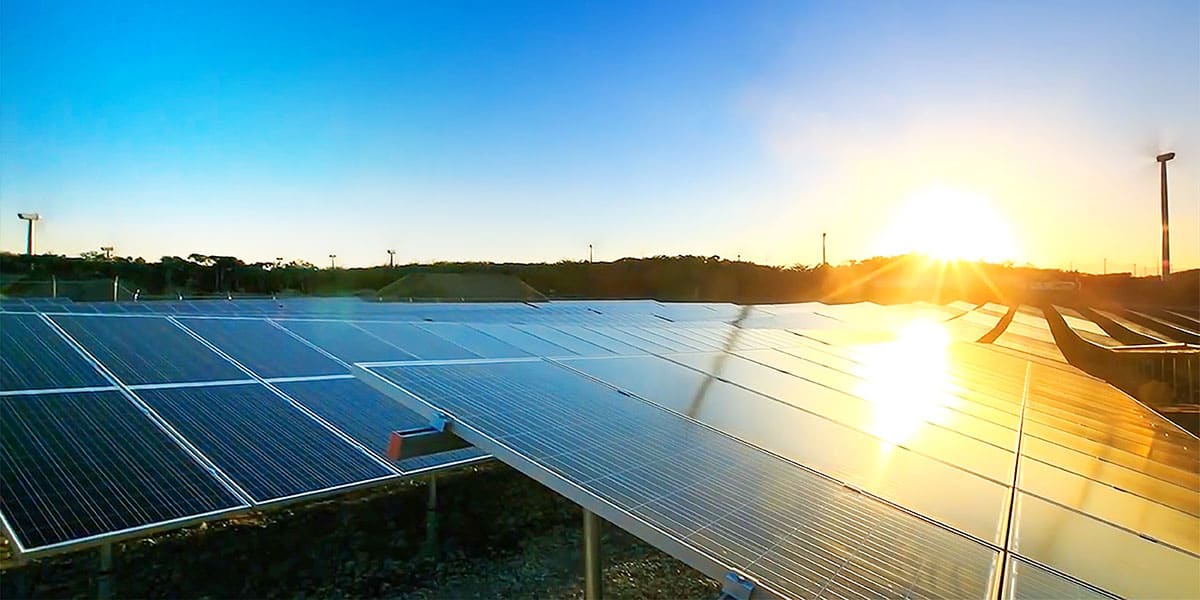
Long-term Levelized Cost of Energy
The most objective standard for measuring the financial performance of a solar system is the Levelized Cost of Energy (LCOE), which represents the comprehensive expenditure for every unit of electricity over the entire 25- to 30-year operating cycle of the system.
Monocrystalline silicon technology, due to its extremely high photoelectric conversion efficiency and extremely low annualized degradation rate, makes this cost highly competitive in high-electricity-price regions such as Europe, America, and Australia.
In the calculation formula, the numerator is the total input for initial purchase, installation, financial interest, and subsequent maintenance, while the denominator is the total power generation produced by the system over its lifecycle.
While monocrystalline panels usually have a 10% to 15% higher per-watt price during the initial procurement phase than polycrystalline or thin-film panels, the output capacity on the denominator side significantly lowers the final value.
Currently, in sunny areas of North America, the LCOE of monocrystalline systems falls between $0.03 and $0.05 per kWh, while local utility grid residential electricity prices usually fluctuate between $0.15 and $0.35.
In the past decade, the LCOE of global monocrystalline silicon systems has fallen by more than 85%. A typical 10 kW residential system is expected to produce about 350,000 to 420,000 kWh of electricity over 25 years.
This physical characteristic is reflected in long-term data as extremely low Light Induced Degradation (LID) and annualized power degradation.
Mainstream tier-one monocrystalline modules usually promise a first-year degradation of no more than 2%, with subsequent annual power drops controlled between 0.4% and 0.5%.
In comparison, the annualized degradation of polycrystalline panels is usually above 0.7%.
Although the gap between the two seems small in a single year, the compound effect manifests as a huge difference after 25 years: a monocrystalline system can still maintain 85% to 88% of its initial power after a quarter of a century, whereas polycrystalline systems often drop below 80%.
In terms of Balance of System (BOS) costs, the high-efficiency advantage of monocrystalline technology is further amplified.
To achieve the same 8 kW system capacity, using monocrystalline panels with 21% efficiency might only require 20 panels, whereas ordinary panels with 17% efficiency might require 25.
This difference in quantity triggers a chain of financial reactions: the length of roof racking rails is shortened by 20%, the number of roof hooks and fasteners is reduced synchronously, and cable usage and connector costs also decrease.
The weather resistance of monocrystalline silicon modules is also a major plus in financial models.
These panels typically use higher-specification encapsulation materials and frame designs, capable of withstanding up to 5400 Pascals (Pa) of static snow load and 2400 Pa of dynamic wind load.
After encountering extreme hail or hurricane weather, the probability of micro-cracks in monocrystalline panels is lower.
Micro-cracks are a major cause of subsequent sharp drops in power generation and localized hotspots.
By reducing this unpredictable physical loss, monocrystalline systems almost never require large-scale module replacement over their 30-year lifecycle.
The controllability of maintenance expenses means that owners do not need to set aside excessively high risk reserves when making 20-year financial forecasts. This reduction in the risk discount rate essentially improves the efficiency of capital utilization.
Long-term O&M data shows that the Mean Time Between Failures (MTBF) for monocrystalline systems is 15% to 20% longer than for polycrystalline systems.
At the financial lending level, banks and financial institutions often give higher credit ratings to properties that install high-efficiency monocrystalline systems.
Since the market share of monocrystalline silicon has exceeded 95%, its liquidity as collateral and its valuation system are very mature.
If an owner chooses to finance through a solar loan, the low-risk nature of high-efficiency systems may secure an interest rate that is 0.5% to 1% lower. Over a 10- to 15-year repayment period, this interest difference further drives down the total financial cost of the system.
Meanwhile, the light sensitivity of monocrystalline panels in low-light environments (such as cloudy days or sunrise/sunset periods) results in 3% to 5% more output than other panels.