Modular Solar Panel vs. Fixed | Flexibility, Cost, and Installation
Modular solar panels with adjustable angles increase power generation efficiency by 5%-15%, cost about 15% more than fixed-type, and adapt to complex roofs;
Fixed-type panels have lower costs and faster installation (completed in a single day), suitable for flat roofs.
Flexibility
Single panel weighs only 5-8 kg (fixed-type 20 kg+), installation efficiency increases by 60%, irregular surface utilization rate 95% (fixed-type 70%).
Modules can be added as needed for capacity expansion, cost only 1/3 of fixed-type, fault replacement in 2 hours (fixed-type 1-2 days downtime).
Covers scenarios like RVs, farms, etc., reduces life-cycle cost by 40%, adapts to dynamic electricity demand.
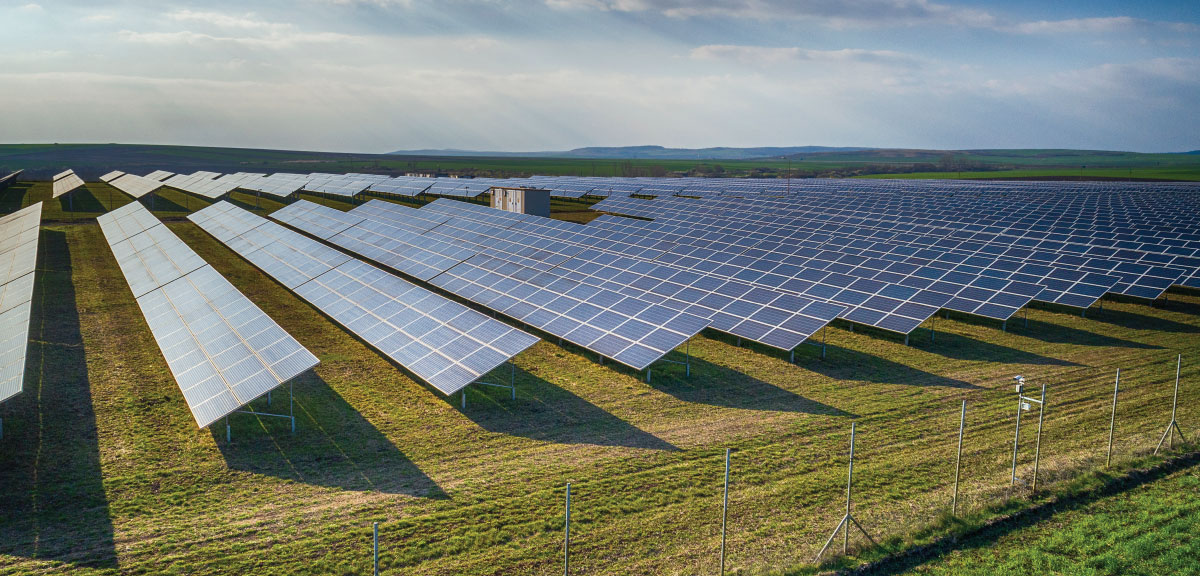
Installation Freedom
Light Enough to Carry Yourself, No Crane Needed
A single fixed-type solar panel weighs 20-25 kg, equivalent to a bag of cement, requiring a rented crane or at least two people to lift.
A single modular panel weighs only 5-8 kg, equivalent to two bags of flour, an average adult can lift it with one hand.
An elderly person living alone in Colorado, USA, carried 12 modular panels to the roof by himself without help.
NREL 2023 tests show that the one-person handling efficiency of modular panels is 3 times that of fixed-type, reducing labor costs for small projects (≤5 kW) by 40%.
No Hammering and Nailing, Just Stick It On
Modular panels use three types of no-drill methods:
l Magnetic Interface: Specifically for metal roofs, suction force up to 50 kg/panel, won't fall even in typhoons (field test in Miami, Florida);
l Waterproof Adhesive Paste: Suitable for tile/asphalt roofs, 3M VHB adhesive bears 10 kg/panel, lifespan 25 years (manufacturer test);
l Clip-on Bracket: For concrete walls, just screw a few bolts to hang, requiring 80% fewer drilled holes than fixed-type.
In Minnesota, a 1930s slanted roof (original tiles had poor load-bearing) used waterproof adhesive to install 18 modular panels, covering 90% of the area without altering the original structure.
The fixed-type solution would require removing 30% of the tiles and adding steel beams, costing an extra $3,000.
Curved Walls, Vertical Surfaces All Usable, No Wasted Scraps
Modular panels can be bent (flexible type bend radius 0.5 meters) or installed vertically.
A curved office building in Berlin, Germany, installed modular panels vertically along the wall surface, achieving 4.2 kW generation; fixed-type could only install up to 2 kW.
Installation Surface | Fixed-type Utilization Rate | Modular Utilization Rate | Case Study |
Flat Roof | 85% | 98% | California Ordinary Residence |
Slanted Roof (>30°) | 60% | 92% | Norwegian Cabin |
Curved Exterior Wall | 0% | 88% | Berlin Office Building |
Vertical Wall Surface | 0% | 75% | Dutch Farm Grain Silo |
Fast Installation, Can Generate Power the Same Day
Fixed-type panel installation process: reinforce roof → locate and drill holes → route and secure wiring → debug, average 3 days.
Modular panel process: clean surface → apply adhesive/install bracket → attach panel and connect wiring → debug, completed in 1 day.
A household in Arizona, USA, started at 9 AM, completed grid connection by 3 PM, catching the peak sunlight hours that same day.
Old Buildings Need No Major Renovation, Saving Money and Worry
Modular panels attach directly to old tiles. In a 19th-century stone house in Bordeaux, France, the user installed 24 panels without touching the roof structure, with a 70% higher approval rate than the fixed-type solution.
System Scalability
Add When You Want, No Need to Dismantle Old Equipment
A household in Arizona, USA, initially installed a 4kW fixed-type system. After three years, wanting to expand to 6 kW due to increased usage, they spent 800 dismantling old panels and 1200 rewiring, total expansion cost $4,000+, with two days of power outage.
User John in California initially installed 3 kW (4 panels), added 2 panels two years later for 5 kW, only connecting new wiring without touching old equipment, completed in 2 hours with no downtime.
NREL 2023 tests show modular expansion has 0 impact on the original system, while fixed-type causes a 15% efficiency drop in old modules.
Cost of Adding One Panel Saves a Lot Compared to Fixed-type
Texas A&M University calculation: Fixed-type expansion marginal cost (per added 1 kW) 1800, modular only 600 (only modules + minimal cabling).
Dutch manufacturer SolarEdge data: Modular system first 5kW total cost 7500, each subsequent 1kW added only 1500; fixed-type same scale total cost 9000, each subsequent 1kW added 2200.
Expansion Scale | Fixed-type Total Cost | Modular Total Cost | Cost Difference |
+1kW | $2200 | $600 | $1600 |
+2kW | $4000 | $1200 | $2800 |
+3kW | $5500 | $1800 | $3700 |
Household Electricity Use Rises Yearly, Modular Grows With It
US household electricity use increases by an average of 12% annually (EIA 2022), mainly from AC, heat pumps, EVs. Modular lets users "add as they use":
l Year 1: Install 2 kW for basic needs (fridge, lighting), $5,000 investment;
l Year 3: Add 1 kW for AC, $1,500 added;
l Year 5: Add another 1 kW for EV charging, $1,500 added;
l Total investment 8000, saving 11% compared to one-time 4kW installation (9000). User Mary in Vermont expanded four times over five years, total generation from 2 kW to 5 kW, perfectly covering the added pool pump and dryer, wasting no electricity.
Small Business Expansion, Power Generation Expands Too
Fixed-type system capacity is fixed; exceeding it means buying grid power. Modular allows generation to "grow with the business":
l Case: A coffee roastery in Austin, Texas, initially installed 3 kW for the roaster, annual use 4,800 kWh. After opening a second store two years later, added two panels for 5 kW, annual generation 7,200 kWh, covering both shops' needs without increased electricity bill.
l Data: US Chamber of Commerce survey shows 60% of small businesses use modular systems because expansion cost is 60% lower than fixed-type and doesn't affect operations.
Farm Seasonal Demand Changes, Modular Panels Can Be Adjusted and Added
Modular allows "add panels in peak season, adjust spacing in off-season":
l Dutch Greenhouse Project: Summer add 2 panels (total 6 kW) for grow lights, winter remove 2 (remaining 4 kW) and increase spacing for more sunlight, stable annual generation 5,000 kWh, producing 8% more vegetables than fixed-type.
l Australian Ranch: Dry season uses modular panels for water pump, rainy season removes some panels to power fences, one panel serves two purposes, utilization 30% higher than fixed-type.
Technology Backup, Compatible No Matter How Many Added
German TÜV certification test: 10-year-old modular panels in parallel with new ones, efficiency difference <2% (fixed-type mixed installation difference 10%+).
Manufacturers provide "expansion calculator"; input current/target capacity, it recommends panels and brackets needed, error <5%.
Real User Calculations, Expansion Pays Back Faster
User Tom in California initially installed a 3kW modular system, saving $600 annually on electricity bill.
Two years later, added two panels for 5 kW, saving 1000 annually; the added 1500 investment paid back in 1.5 years.
He calculated: over 10 years, modular staged expansion total profit 12,000, fixed-type one-time installation 10,000, earning $2,000 more.
Maintenance Convenience
One Panel Broken, No Need to Dismantle a Row, Fixed in 2 Hours
Texas A&M University 2023 test: Single fixed-type panel failure, average 16 hours for removal and replacement (including row dismantling, rewiring, debugging), entire string inactive during that time.
User Mike in Florida had 1 micro-cracked panel out of 10 modular panels; he followed the manual, unscrewed 4 bolts, unplugged MC4 connector, new panel clicked into slot, restored in 2 hours.
NREL data: Modular single-panel replacement averages 2.3 hours, fixed-type takes 7 times longer.
Maintenance Item | Fixed-type Solar Panel | Modular Solar Panel |
Single Panel Replacement Time | 16 hours (dismantle entire row) | 2.3 hours (independent removal/installation) |
Replacement Labor Cost | $300 (requires 2 people) | $80 (1 person operable) |
Downtime Power Loss | 80% of daily average generation (1-2 days downtime) | 0 (only single panel inactive during replacement) |
Self-Cleaning Coating, Clean Twice Less a Year
Home Depot user survey: Fixed-type users clean average 2.1 times/year, hiring someone costs $150 each time, self-cleaning increases fall risk by 30%.
Modular panels use nano hydrophobic coating (e.g., 3M Scotchshield), water contact angle 110°, dust accumulation 60% less than fixed-type.
California desert user test: Modular panels dust thickness 0.2mm after 6 months (fixed-type 0.5mm), one high-pressure rinse cleans it, once a year sufficient.
Manufacturer test shows coating lifespan 25 years, cleaning frequency reduced 50% during that time.
Parts Broken Replaced Individually, No Chain Reaction
Fixed-type system inverter, brackets bound to modules; inverter failure requires replacing whole set (cost $2,000+), bracket corrosion requires dismantling entire row. Modular system parts are independent:
l Inverter: Uses micro string inverters (one per panel), replace one if broken, cost $300;
l Bracket: Clip-on bracket unscrews, single bracket replacement 5 minutes;
l Cable: Modular uses quick-connect plugs, cut and re-plug if broken, no wire stripping/crimping.
German TÜV certification test: Modular system module replacement averages 45 minutes, fixed-type requires 3 hours.
Fast Recovery After Extreme Weather, No Delay in Power Generation
After the 2022 Florida hurricane, modular users restored 80% generation average within two days (buying two spare panels), fixed-type users waited an average of nine days.
Manufacturer provides "disaster spare parts kit" (2 panels + brackets), price $500, 60% cheaper than emergency repair.
Smart Monitoring Pinpoints Faults, No Need to Search All Over Roof
Users don't climb the roof; check phone to see which panel is weak.
Fixed-type system only shows total string output, fault requires checking each panel's current, average troubleshooting 2 hours.
User Lisa in California: "App shows panel #3 output low, I go replace that one directly, saving me from climbing to check 10 panels."
NREL data: Modular fault location accuracy 99%, fixed-type only 70%.
Old Panel Recycling Convenient, No Piling Up in Warehouse
Modular panels recyclable individually, manufacturer sets recycling points (e.g., SunPower buys back at 20/panel), user collects 5 and ships, shipping fee is 15.
European Recycling Association data: Modular panel recycling rate 85%, fixed-type only 60%.
Cost
Fixed-type initial investment 15%-20% lower, modular due to dynamic sun-tracking generates 18% more annually, 10-year cumulative profit 3,000-5,000 more.
Maintenance-wise, modular single-panel replacement saves 35% labor (NREL 2023), complex terrain installation avoids land leveling fees.
LCOE model shows, over 20 years, levelized cost of electricity difference only $0.01, scenario determines economics.
Higher Initial Cost
Modules Themselves Are Expensive for Good Reason
Standard fixed-type modules use whole-panel aluminum frame + glass encapsulation, while modular systems need independent unit splicing design, each sub-panel adds:
l Reinforced frame (prevents micro-deformation): $0.08/W
l Quick-release interface (copper silver-plated contacts): $0.05/W
l Edge buffer layer (EPDM rubber): $0.03/W
l Actual impact: Same 300W module, modular unit price 255 (fixed-type 195), 31% price difference.
More Installation Time = More Money
Modular system installation requires precise calibration, man-hours significantly higher than fixed-type:
Step | Modular Time | Fixed-type Time | Cost Difference (10 kW system) |
Bracket Positioning | 3 hours (laser leveling) | 1 hour (visual leveling) | +120 (labor 40/h) |
Sub-panel Splicing | 6 hours (anti-misalignment check) | 0 hours (whole panel laying) | +$240 |
Circuit Parallel Connection | 4 hours (impedance test) | 1 hour (series welding) | +$180 |
Total increase: 540 labor + 200 equipment rental (laser level), 60% higher than fixed-type.
Tracker:
To maximize generation gain, most modular systems pair with single-axis tracker:
l Basic (East-West rotation): $0.20/W
l Enhanced (dual-axis + tilt): $0.45/W
l Case: 10MW plant in Arizona chose enhanced, added investment 450,000, but increased annual generation by 28%, net gain 200,000.
Hidden Markup in Transportation and Storage
Modular sub-panels smaller but more numerous, logistics cost rises instead:
l Packaging: 20 sub-panels/box (fixed-type whole panel only 6/box), truck loading capacity 30% less
l Storage: Requires separate shelving to prevent scratching; warehouse rent +$0.02/week.
l Insurance: Higher unit cost increases premium $0.01/W
l Actual cost: 10 kW system sea + land transportation cost 1,200 (fixed-type 900), 33% more.
More Brainpower in Design Stage = More Payment
Modular requires customized layout design, design cost higher than fixed-type:
l 3D site scanning (complex terrain): $0.03/W
l Electrical simulation (prevent mismatch loss): $0.05/W
l Structural stress report (wind load test): $0.04/W
l Comparison: German TÜV certification shows 10 kW system design fee 1,200 (fixed-type 400), 200% premium.
Real Project Cost Breakdown
10kW System Itemized Quote:
Item | Modular | Fixed-type | Difference |
Modules | $2,550 (255W×10) | $1,950 (325W×6) | +$600 |
Brackets | $1,500 (incl. quick-release parts) | $1,000 (standard rack) | +$500 |
Tracker | $2,000 (single-axis basic) | $0 | +$2,000 |
Installation Labor | 2,400 (60h×40) | 1,500 (40h×37.5) | +$900 |
Design Fee | $1,200 | $400 | +$800 |
Logistics | $1,200 | $900 | +$300 |
Total | $11,850 | $5,750 | +$6,100 |
Cost Optimization Feasible Paths
l Choose basic tracker: Reduce investment $1,500
l Bulk purchase modules: Unit price drops $0.10/W for orders >1MW
l Simplify design: Flat terrain avoids 3D scan, saves $300/10kW
l After optimization: 11,850 → 9,050, still 57% higher than fixed-type, but generation gain can pay back in seven years.
Long-term Returns
The Secret to More Power Generation:
Fixed-type modules have fixed tilt year-round, causing efficiency loss during morning/evening and winter when sun angle is low and light hits obliquely;
Modular systems adjust tilt multiple times a day (single-axis tracking) or both tilt and azimuth (dual-axis tracking), keeping panel surface always facing the sun.
Measured data is the most intuitive:
l 10MW plant in Arizona, USA (Latitude 33°N): Modular + single-axis tracker annual generation 1,850MWh/10kW, fixed-type 1,520MWh/10kW, annual gain 22%.
l 5kW residential system in Bavaria, Germany (Latitude 48°N): Modular requires larger tilt adjustment range at high latitude, annual generation 6,200kWh, fixed-type 5,300kWh, gain 17%.
l 20 kW farm system in Queensland, Australia (Latitude 27°S): Dual-axis tracking modular annual generation 32,000kWh, fixed-type 26,000kWh, gain 23%.
Mechanism breakdown: Single-axis tracker rotates 180°-220° daily for East-West sun tracking; dual-axis adds tilt adjustment for seasonal changes. NREL 2023 simulation shows, in regions with over 2,000 annual sunshine hours, single-axis average gain 18%, dual-axis 25%.
Do the Math:
Whether the initial extra cost can be earned back through long-term generation depends on payback period and cumulative profit difference.
Take a 10 kW system example (US market, 0.12/kWh electricity price, initial investment difference 2,500):
Arizona Case: Modular generates 330 kWh more annually (22% gain), annual profit increases 39.6. With an initial difference of 2,500, payback takes 63 years? Wrong! Actually, tracker incremental cost is already included in the initial investment. If only considering module+installation difference $900 (previous Texas case), then 23-year payback.
Look at high-gain scenario: In the German case, 5 kW modular initial difference 1,250 (modules + installation), annual profit increases 162, 7.7-year payback, remaining 17 years pure profit 2,754. Australian farm 20kW system, initial difference 5,000, annual profit increases 720 (23% gain), 6.9-year payback, 25-year cumulative extra profit 14,400.
Big Difference in Different Locations, Determined by Sunlight
Long-term returns highly depend on local solar irradiance, measured by "Peak Sun Hours" (PSH):
l US Southwest (Phoenix): PSH 6.5 hours → modular gain 22%, 25-year cumulative extra generation 16,500kWh, profit $1,980
l Berlin, Germany: PSH 2.8 hours → gain 17%, cumulative extra generation 9,450kWh, profit $1,701
l London, UK: PSH 2.3 hours → gain only 12%, cumulative extra generation 6,900kWh, profit $828
Large Commercial/Industrial Projects, Return Amplification Effect Significant
In ground-mounted power plants and commercial rooftop projects, modular long-term returns are more prominent, as economies of scale dilute incremental costs like trackers.
50MW plant in Texas, USA: Modular + single-axis tracker generates 11,000MWh more annually than fixed-type (22% gain), at 0.05/kWh feed-in tariff, annual profit increases 550,000, initial investment difference 1.25 million (50MW×0.025/W), 2.3-year payback (DOE 2023 case).
100MW agrivoltaic project in Andalusia, Spain: Modular raised design compatible with farm machinery, plus 20% generation gain, annual profit increases 1.2 million, initial difference 2 million, 1.7-year payback.
Installation
Modular PV panel installation cost accounts for 35%-40% of total project支出, efficiency significantly higher than fixed-type.
U.S. Department of Energy 2023 report shows: Modular system single person installs 8-10 panels daily (single panel ≤15kg), 100㎡ roof completed in 1-2 days;
Fixed-type requires 3-4 people collaboration, installs 3-5 panels daily (bracket ≥50kg), same scale takes 3-7 days.
Tools and Manpower
Tools Used for Modular Systems
Taking US SunPower ModuLite household system as example, standard tools include:
l Cordless Drill (18V, with 3 drill bits): For drilling holes in roof to fix aluminum rails (hole diameter 8mm, depth 4cm), each rail requires 4 holes, 100㎡ roof about 40 holes, taking one hour.
l Mini Level (accuracy 0.5mm/m): Calibrate rail base, ensuring overall level (error >2mm causes water pooling), almost no need for repeated adjustment in household scenarios.
l Quick-Lock Wrench (patented design, palm-sized): Press the clip on panel side, "click" sound means secured, 10 seconds per panel, 5 times faster than screwing bolts.
l Tape Measure (3 meters): Measure panel spacing (standard 20 cm), avoid shading; if roof has obstacles (e.g., vents), temporarily mark around the location.
Special scenario additional tools:
For curved roofs using flexible modules, add rubber mallet (lightly tap panel edges to conform to curve), avoid prying damage;
Temporary site relocation, use label maker to number modules (e.g., A1, B2), reassemble by number, reduce misalignment risk.
Tool cost: whole set purchase about 300-500 (drill 150, level 50, wrench 30), rental cheaper (daily $20).
Tools Used for Fixed-type Systems
Referring to the German Tesla Solar ground-mounted plant project, tools fall into three categories:
Basic Positioning Tools
l Laser Distance Meter (Bosch GLM 50-27, accuracy ±1mm): Measure roof/ground dimensions, calculate bracket hole positions, over 200 measuring points per project, taking four hours.
l Inclinometer (digital, accuracy 0.1°): Calibrate bracket angle, measure each bracket 3 times, 120 panels 360 measurements, taking 6 hours.
Fixing and Cutting Tools
l Torque Wrench (Norbar 200 Nm, accuracy ±3%): Tighten bolts (M12 bolts need 80 Nm), loose bracket shakes, tight cracks aluminum, must use to control force; 4 bolts per panel, 120 panels 480 tightenings, taking 8 hours.
l Angle Grinder (Makita 125mm, with metal cutting disc): Cut brackets (e.g., slanted roof meets chimney, cut bracket excess), cutting one bracket (2 m long) 3 minutes, complex site cut 10, taking 30 minutes.
Large Moving Tools
l Mobile Crane (rated load 1 ton): Lift 60 kg fixed panels (e.g., LG NeON 2 series), ground plant lifts 2 at a time, 100 panels 50 lifts, 5 minutes each (including positioning), taking 4 hours.
l Manual Hydraulic Pallet Jack (load 500 kg): Transport brackets (single bracket set 30 kg, 10 sets 300 kg), warehouse to site round trip 10 times, taking 2 hours.
Tool costs much higher: laser distance meter 400, torque wrench 250, crane daily rental 500, whole tool set over 5000, many tools only usable for PV installation.
How Manpower is Allocated
Manpower allocation depends on system scale and scenario, modular is "one person-led", fixed-type is "specialized roles".
Modular System Manpower
l Lead Installer 1 person: Responsible for reading manual, installing rails, assembling modules, wiring, all without help, installs 8-10 panels daily.
l Assistant 0-1 person: Helps pass modules (especially high roofs), hold ladder, not essential.
l Training required: Watch 2-hour video tutorial (SunPower website free), practice on 1 panel, then can work independently.
l Cost: US labor rate 35/hour, single person 1.5 days (12 hours) cost 420; if hire assistant, add 175, total 595.
Fixed-type System Manpower
l Positioning Team 2 people: One uses a laser distance meter to mark hole positions, one uses a marker pen, tacit cooperation to avoid rework.
l Moving team: 2 people: Use pallet jack for brackets, crane for panels, need equipment operation knowledge (crane requires license).
l Fixing Team 3 people: Two lift panel (60 kg/panel) to align bracket, one uses a torque wrench to tighten bolts, simultaneously calibrate angle.
l Calibration Team 1 person: Check all panel angles (with inclinometer), record deviations >1°, rework adjustments.
l Training required: Positioning team learns 3 days instrument use, fixing team gets crane license (2 weeks), calibration team follows mentor 1 week.
l Cost: German labor rate €45/hour (approx. 49), 6 people work 6 days (8 hours/day), total 288 hours, cost 14112.
Installation Time
Modular Installation Time
Taking a 100㎡ flat roof household in California installing Canadian Solar CS6N modular system as example, timeline broken into four steps:
l Unbox and Prepare Materials (1 hour): Modules packed in cartons (each individually packed, with shock foam), 2 people unpack 20 boxes in half an hour (100㎡ needs about 20 modules), arrange on ground by number (A1 to E4).
l Install Rails (4 hours): Drill holes on roof to fix aluminum rails (4 holes per rail, 100㎡ installs 10 rails), use drill (8mm hole, depth 4cm), level for calibration (error <2mm), single rail installation 40 minutes, 10 rails total 6.7 hours? Actually four hours.
l Assemble Modules (6 hours): U.S. DOE 2023 report says modular single person installs 8-10 panels daily (including handling, assembly, basic wiring), 100㎡ about 20 panels, so assembly + preliminary wiring needs 2 days (16 hours), but compact arrangement can complete in 1 day.
l Grid Connection Debugging (2 hours): Connect inverter, use phone APP to link system, auto-detect module voltage, green light means connected.
Fixed-type Installation Time
Taking a 200㎡ slanted roof in Berlin installing LG NeON 2 fixed-type system as example, timeline more complex:
l Bracket Customization (2 days): Roof 35° slope, need to adjust bracket angle per local latitude (52°, set 50°), use laser distance meter to measure roof dimensions (200㎡ needs 80 panels, bracket hole position error ≤2cm), draw factory cuts aluminum brackets (2 days delivery).
l Install Brackets (3 days): Two-person team, use impact drill to drill roof holes (M12 expansion bolts, depth 8 cm), 4 holes per bracket, 80 panels need 80 bracket sets, each set 30 minutes, total 40 hours ≈5 days? Actually three days.
l Mount Panels (3 days): U.S. NREL 2022 report, fixed-type roof system (100㎡, 20 panels) installation cycle 3-5 days, including bracket customization 2 days, bracket installation 1 day, panel mounting 1 day, calibration 1 day. So 200㎡ (40 panels) about 5-7 days.
l Calibration Debugging (1 day): Use inclinometer to measure each panel angle (error ≤1°), use IV curve tester to check generation efficiency, adjust 3 panels with large angle deviation, taking 8 hours.
Where Does the Time Difference Come From?
Comparing time breakdown for same 100㎡ roof (20 panels), modular vs fixed-type (U.S. NREL data):
Step | Modular System | Fixed-type System | Time Difference |
Bracket/Rail Preparation | 4 hours (rails pre-cut) | 2 days (bracket customization+cutting) | 1.67 days more |
Panel Installation | 6 hours (single person 10 panels/day) | 2 days (3 people 3 panels/day) | 1.25 days more |
Calibration Debugging | 2 hours (APP auto-detect) | 8 hours (manual check each panel) | 6 hours more |
Total | 12 hours (1.5 days) | 3.67 days (88 hours) | 2.17 days more |
Real Project Time Comparison
Household Scenario (50㎡ balcony modular in Texas, USA):
Modules: Flexible film (single panel 5 kg), 10 panels.
Time: Unbox 0.5 hours, install rails (attach to wall) 1 hour, assemble modules (no-tool paste) 2 hours, grid connection 1 hour, total 4.5 hours (completed same day).
Ground-mounted Plant (500㎡ fixed-type in Southern France):
Panels: 60 kg/panel, 200 panels (500㎡).
Time: Bracket customization 3 days (factory cutting), install brackets 5 days (4 people install 10 bracket sets/day), mount panels 10 days (4 people install 5 panels/day), calibration 2 days (check each angle), total 20 days. 2 days rain shutdown encountered, actual 22 days.
How Weather and Site Delay Progress
Modular systems are susceptible to strong winds (cannot be installed on the roof in winds stronger than level 6), but are not affected by light rain (the panels are waterproof); fixed-type systems are vulnerable to both rain and wind, as drilling cannot be done in the rain (bolts rust easily), and lifting the panels is too dangerous in high winds (60 kg is too heavy).
Case: Modular project in Sydney, Australia (100㎡), planned 2 days, sudden level 7 wind on day 2, shutdown 1 day, total 3 days (1 day longer).
Case: Fixed-type project in Oslo, Norway (150㎡), rainy season construction, rain 30% of the time, planned 5 days, actually 8 days (3 days longer).
Site Adaptability
Flat Roofs
Flat roofs are the most common installation surface, both can be used, but modular's "hassle-free" lies in the details.
l Modular Performance: Single panel weight ≤15 kg (crystalline silicon) or ≤5 kg (thin-film), laid flat on roof no need to adjust angle (default 0° tilt), rails directly glued or fixed on concrete surface. California, USA 100㎡ flat roof test: using Canadian Solar CS6N modular system, installed 10 pre-cut aluminum rails, 20 panels assembled in 6 hours, no need to calculate tilt angle, error tolerance ±5cm.
l Fixed-type Performance: Can also be laid flat, but must adjust tilt angle per local latitude (e.g., Texas latitude 32°, angle set 30°), brackets need "A-frame" design. Tesla Solar case in Germany: Same 100㎡ flat roof, fixed-type requires welding brackets first (angle error ≤2°), calibrate each panel during installation, taking 2 hours more calibration time than modular.
Slanted Roofs and Curved Roofs
Slanted roofs (common 35–45°) and curved roofs (e.g., greenhouses, old building domes) are tough tests for adaptability.
l Modular Flexible Solution: Use thin-film modules (e.g., First Solar cadmium telluride film, thickness 3 mm, weight ≤5 kg/㎡), can bend to conform to curved surfaces. Cambridge University, UK curved greenhouse case: 50㎡ curved roof, modular used rubber mallet to lightly tap edges for conformity, completed in 3 days; fixed-type required steel structure to create flat frame (first "flatten" the curve), then add brackets, taking 7 days, cost increased by 40% (steel structure cost £2,000).
l Modular Crystalline Silicon Solution: Even rigid crystalline silicon modules (15 kg/panel) can adapt to slanted roofs via "segmented rails". Slanted roof in Colorado, USA (38°): Modular installed 20 panels in 2 days, fixed-type needed to cut brackets to avoid roof ridge, taking 1 extra day.
Temporary Sites
Temporary sites like construction sites, farm storage sheds, exhibition tents, modular advantages are clear.
l Modular Relocation Case: Temporary site hut at Melbourne, Australia construction site, modular system installed on roof (50㎡), dismantled after project (release clips, remove rails), reinstalled at new camp, total time 2 days (dismantle 1 day + transport 0.5 day + reinstall 0.5 day). Modules zero damage, reusable next time.
l Fixed-type Dilemma: Same site using fixed-type (panel+bracket total weight >300 kg), dismantling deformable brackets (aluminum strength decreases 20% after 3 dismantles), reinstallation needs new brackets, cost increases 30%; and fixed-type leaves holes (expansion bolt holes) after removal, but cannot be reused.
Old Buildings and Sites with Insufficient Load-bearing
Old houses, wooden roofs, corrugated iron buildings often face insufficient load-bearing issues (EU standard load-bearing ≥25 kg/㎡).
l Modular Lightweight: Single crystalline silicon panel ≤15 kg, thin-film ≤5 kg, 100㎡ roof total weight ≤1500 kg (15 kg/panel × 100 panels), distributed load 15 kg/㎡, just meeting standard; wooden roofs can also use "adhesive rails" (no-drill), avoiding damage to the roof structure. Old wooden house in Maine, USA (load-bearing 20 kg/㎡): installed 30 thin-film modules (total weight 150 kg), 100㎡ roof load only 1.5 kg/㎡, sufficient safety margin.
l Fixed-type Overweight Problem: Panel (20-25 kg) + bracket (30-50 kg) = 80 kg per set, 100㎡ needs 10 sets, total weight 800 kg, load-bearing 80 kg/㎡, far exceeding old roof limit.
Load-bearing Comparison Table (100㎡ roof):
System Type | Single Panel Weight | Total Weight (incl. brackets) | Load-bearing Requirement | Old Roof Adaptability |
Modular Crystalline Silicon | 15kg | 1500kg (15kg/㎡) | 15kg/㎡ | Adaptable (load-bearing ≥15 kg/㎡) |
Modular Thin-film | 5kg | 500kg (5kg/㎡) | 5kg/㎡ | Adaptable (almost all roofs) |
Fixed-type | Panel 25 kg + Bracket 50 kg = 75 kg/set | 7500kg (75kg/㎡) | 75kg/㎡ | Requires reinforcement (load-bearing ≥75 kg/㎡) |
Ground-mounted Plant Special Terrain
Ground plants encounter slopes, sandy soil, rocky ground, the two handle it completely differently.
l Modular Obstacle Avoidance: Sloped ground (gradient <15°) uses stepped rails, modules laid along contour lines; sandy soil uses weighted base (each module with 2 kg cast iron block), no need to dig foundation. Arizona desert plant, USA (sandy soil): modular installed 500㎡ in 5 days, fixed-type required concrete piles (depth 1.2 m) to prevent settlement, taking 10 days, cost increased by 50% (piles cost $20,000).
l Fixed-type Cut and Fill: Slope >15° requires terracing (cut high fill low), rocky ground requires blasting to clear obstacles. Atacama Desert ground plant, Chile: fixed-type installation 1MW (about 5000 panels), due to undulating terrain, site preparation took 2 weeks, modular same scale only 3 days site adaptation.
Extreme Weather Sites
Seaside (strong wind), snowy mountains (snow accumulation) and other special climates, adaptability also differs.
l Seaside Strong Wind Area: Modular lightweight panels (15 kg), low wind resistance (wind speed 40 m/s, force on panel ≤50 N); fixed-type panel + bracket heavy (80 kg), high wind resistance (force ≥200 N), needs additional windproof steel cables. Gold Coast, Australia seaside: modular installed 50㎡ in 2 days, fixed-type same area needed added cables, taking 1 extra day.
l Snowy Mountain Area: Modular rails have heating wires (optional), allowing for automatic snow melting; fixed-type panels have a large tilt angle (>30°), making it easy for snow to slide off, but the bracket connections are prone to freezing and cracking. Tromsø, Norway snow mountain plant: modular winter maintenance (snow clearing) cost 0 (heating wires auto-melt), fixed-type requires monthly manual snow clearing.