
Tongwei, a photovoltaic company with a long-term commitment to climate and energy cooperation, has become the first Chinese private enterprise to join the World Wide Fund for Nature (WWF) Arctic conservation project
The project will focus on enhancing the resilience of the Arctic ecosystem: The two parties will jointly conduct polar environmental observation and monitoring, support research on the distribution and trends of multi-year sea ice, explore coexistence mechanisms between humans and the Arctic biosphere, and promote the participation of local communities in conservation in a sustainable manner. The project objectives will be achieved in phases to ensure the practical implementation of conservation actions. Through various channels, the project will also be promoted to enhance the public awareness and engagement in climate issues.
Climate change is a fundamental challenge facing the Arctic ecosystem, and accelerating the development of renewable energy is a crucial pathway to addressing climate change. Tongwei’s extensive experience in the photovoltaic industry chain will drive more stakeholders to focus on systemic solutions for climate change, thereby raising broader societal awareness of climate action and biodiversity conservation. WWF will leverage its global network and scientific framework to ensure clear cooperation pathways, well-defined objectives, and measurable outcomes. The two parties will also conduct phased evaluations to establish replicable and scalable success models, thereby amplifying the influence of the project, achieving scale effects, and attracting more cross-sector stakeholders to actively participate in jointly protecting the Arctic ecosystem and promoting global biodiversity conservation.
Climate change is a fundamental challenge facing the Arctic ecosystem, and accelerating the development of renewable energy is a crucial pathway to addressing climate change. Tongwei’s extensive experience in the photovoltaic industry chain will drive more stakeholders to focus on systemic solutions for climate change, thereby raising broader societal awareness of climate action and biodiversity conservation. WWF will leverage its global network and scientific framework to ensure clear cooperation pathways, well-defined objectives, and measurable outcomes. The two parties will also conduct phased evaluations to establish replicable and scalable success models, thereby amplifying the influence of the project, achieving scale effects, and attracting more cross-sector stakeholders to actively participate in jointly protecting the Arctic ecosystem and promoting global biodiversity conservation.
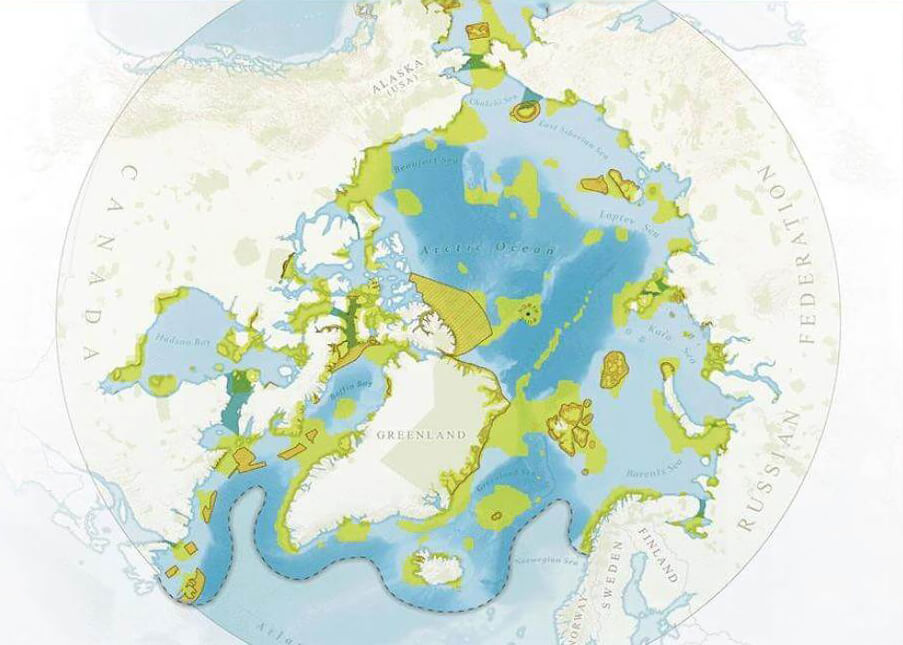
Arctic Protection Network (ArcNet)
Goal: By 2030, effectively protect and manage at least 30% of the Arctic Ocean area through the establishment of an ecologically representative, well-connected and equitably managed network of marine protected areas and conservation zones, including critical polar bear habitats.
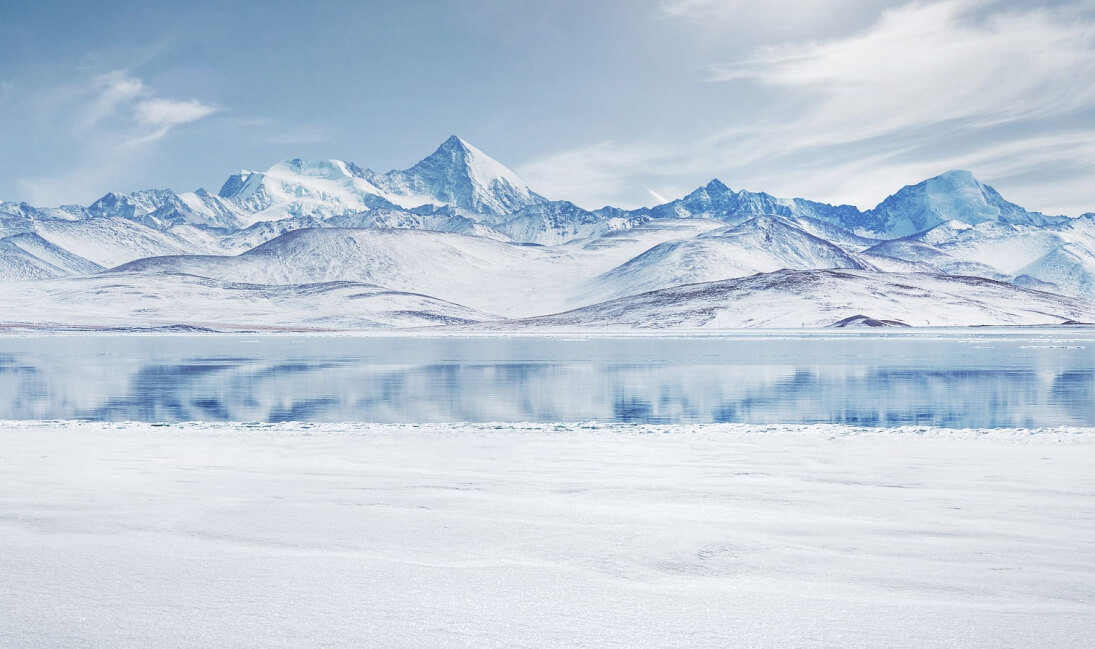
Last Ice Area
Goal: By 2030, achieve permanent protection for the "Last Ice Area" — a region of multi-year sea ice that serves as a critical refuge for polar bears.
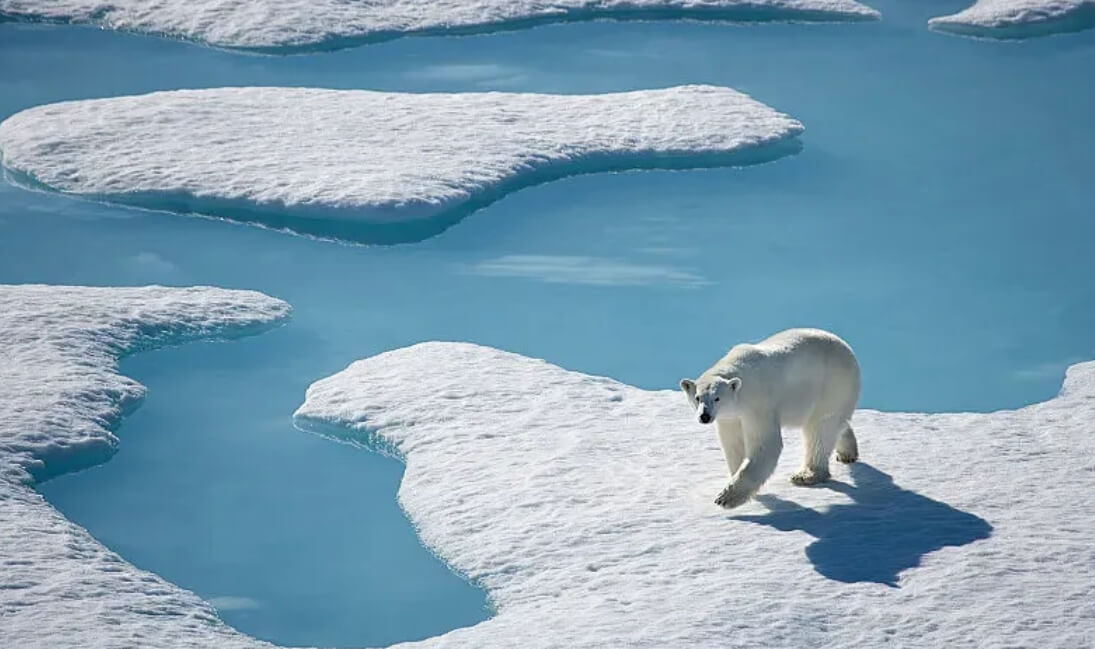
Community Coexistence — Harmonious Coexistence between Polar Bears and Humans
Goal: By 2030, achieve harmonious coexistence between humans and Arctic species (such as polar bears) by preventing and mitigating conflicts.
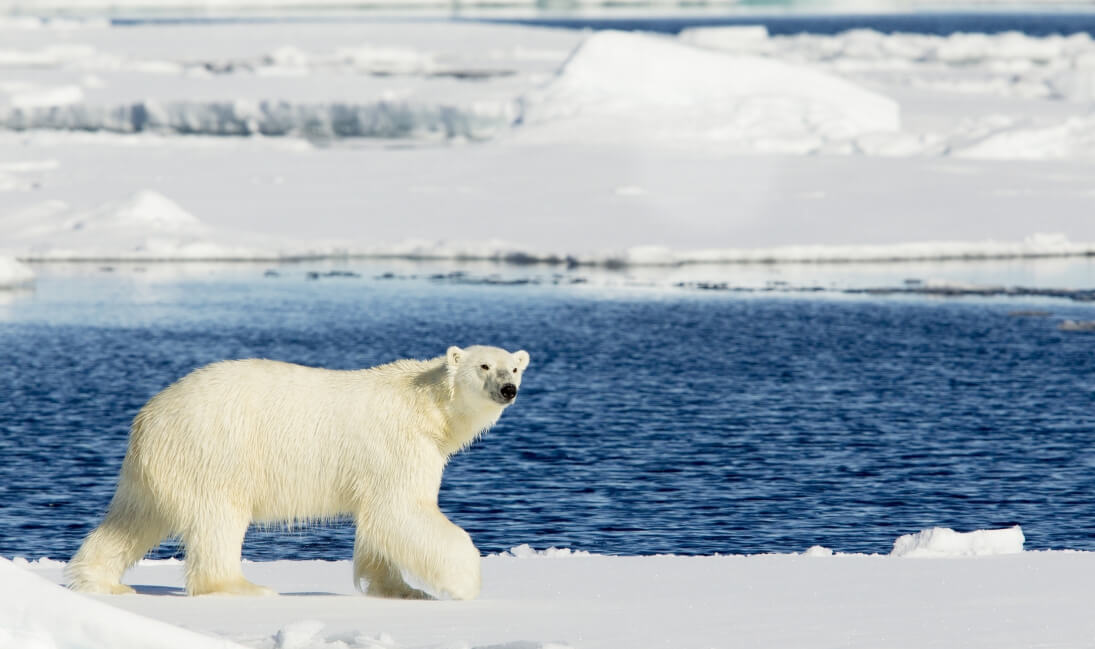
Arctic Species Conservation
Goal: By 2030, achieve effective management and protection of protected species populations in the Arctic region in the context of climate change.
News