How Long Do Polycrystalline Panels Last | Durability, Degradation, Reliability
The service life of polycrystalline silicon solar panels is usually 25-30 years. Its degradation rate is low, with power degrading by about 0.5%-1% annually in the first 25 years. For example, a 300-watt polycrystalline panel can still output about 80% of its original power after 20 years, possessing good long-term reliability and durability.
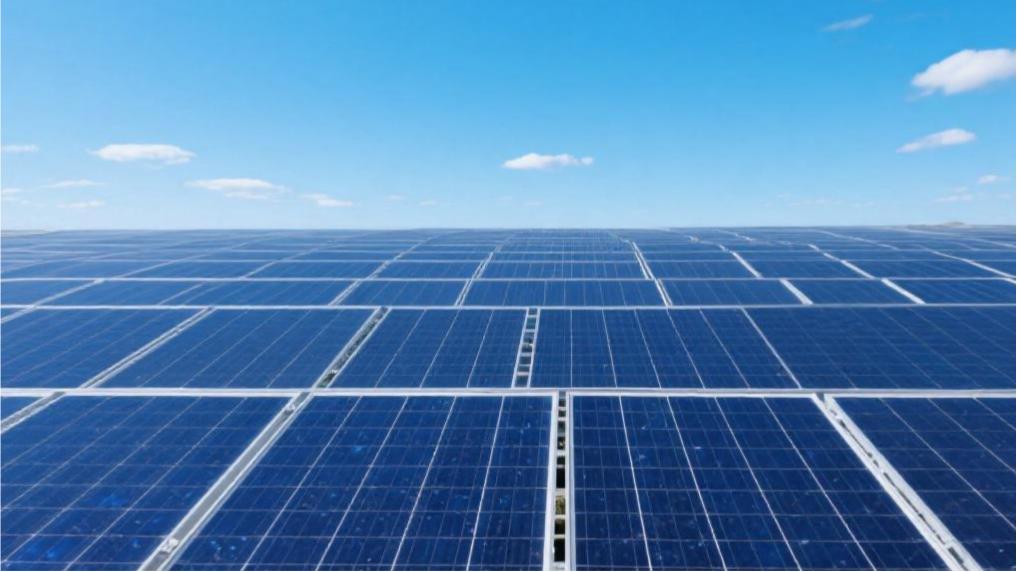
Durability
Is it strong enough
The outermost layer of the polycrystalline silicon panel is a layer of low-iron tempered glass with a thickness of 3.2 mm, and the light transmittance of this material is usually above 91.5%. In laboratory impact tests, it can resist the vertical impact of hail with a diameter of 25 mm at an initial speed of 23 meters per second, with an impact energy of about 1.99 joules. The compressive strength of the glass surface can reach more than 90 megapascals per square meter.
The outer frame uses 6063-T5 aluminum alloy, with a frame thickness generally between 30 mm and 40 mm, and the surface undergoes 12 to 15 microns of anodizing treatment. This oxide film can prevent electrochemical corrosion of the metal in humid environments. This structure allows the panel to withstand a static load of 5400 pascals on the front, which is equivalent to stacking more than 800 kilograms of snow on an area of 1.6 square meters without producing physical deformation.
The back can resist wind pressure of 2400 pascals, which is enough to keep the panel stable in strong winds of 130 kilometers per hour. The internal packaging material EVA film has a thickness of about 0.45 mm, and its cross-linking degree needs to reach more than 80% to ensure that delamination and peeling do not occur under high temperatures, ensuring that the cells operate safely in a sealed space.
Is it afraid of the sun
Within the first 1000 hours after installation, due to the activity of boron-oxygen complexes in the silicon wafer, the panel power usually drops by about 2% at one time. After passing this stage, the degradation speed will slow down to a median value of 0.55% per year. If the initial power is 300 watts, it will be about 294 watts at the end of the first year, and still around 280 watts by the 10th year.
To test this durability, modules need to pass the double-85 test, which is continuously placing them in an environment with a temperature of 85°C and a relative humidity of 85% for 1000 hours. Test results show that high-quality polycrystalline silicon modules usually have a power loss of less than 5% after completing this cycle.
Aiming at ultraviolet aging, modules need to undergo ultraviolet radiation testing equivalent to 15 years of outdoor irradiation (about 15 kWh per square meter) to ensure that the backsheet does not yellow or become brittle. As the last line of defense, the water vapor transmission rate of the backsheet must be lower than 2 grams per square meter per day, otherwise moisture infiltration will lead to obvious oxidation and blackening of the cell cells within 5 to 8 years.
What is it like inside
The interior of a polycrystalline silicon panel is composed of 60 or 72 cell cells connected in series through ribbons. The ribbon is usually composed of a copper strip coated with a 15-micron thick tin-lead alloy layer, with a width of about 1.2 mm to 2.0 mm. The quality of the welding points determines the size of the internal resistance, and excellent welding processes can control the series resistance of a single cell below 0.005 ohms. If the internal resistance is too large, when a large current of 25 amperes passes through, the local temperature will rise rapidly, producing a hot spot phenomenon.
A junction box with an IP68 protection level is installed on the back of the module, with 3 Schottky diodes inside. The function of these diodes is to provide a bypass channel for the current when local shadow blocking occurs, preventing the blocked part from burning out due to heat. The potting glue inside the junction box needs to fill 100% of the space to isolate air and moisture. The output cable usually chooses a 4 square millimeter specification photovoltaic special line, its rated voltage reaches 1500 volts, the design life is also 25 years, and it can withstand extreme low temperatures of minus 40°C without breaking.
Afraid of wind and rain
In coastal or farm environments, polycrystalline silicon panels will encounter chemical erosion from salt spray and ammonia. Polycrystalline silicon modules have passed the IEC 61701 salt spray corrosion test and the IEC 62716 ammonia corrosion test. After 1440 hours of cycling under a 5% concentration salt spray, the insulation resistance of qualified modules can still be maintained at more than 400 megohms per square meter, ensuring that no leakage risk occurs.
The thermal cycle test is also an indicator for assessing durability, where the panel must perform 200 rapid switches between minus 40°C and plus 85°C. In this fluctuation, where the temperature difference is as high as 125°C, the differences in thermal expansion coefficients of polycrystalline silicon panel materials will be magnified.
For example, the linear expansion coefficient of the aluminum frame is about 23.1 times 10 to the power of minus 6, while glass is only about 8.5. By optimizing the frame design, this physical pulling is limited to the millimeter range, avoiding micro-cracks in internal cell cells caused by stress. Statistical data shows that the cell micro-crack rate caused by environmental temperature differences is lower than 0.1% in high-quality modules.
Is the circuit stable
In high-voltage systems, a potential difference of several hundred volts exists between the panel frame and the cell cells, which leads to charge movement, thereby causing power generation efficiency to drop. After polycrystalline silicon modules undergo 96 hours of continuous testing under 1000 volts high voltage and 85% humidity, the decrease ratio of their output power must be controlled within 5%.
Using MC4 standard connectors, their contact resistance is usually less than 0.5 milliohms. If the connector is not tightly sealed, the resistance will increase by more than 10 times after moisture enters, leading to increased power loss.
According to a sampling survey of old power stations operating for more than 20 years, 98% of polycrystalline silicon panels still maintain good conductivity in the connector part. This long-term stability of electrical performance ensures that the cumulative maintenance cost per kilowatt of installed capacity can be controlled within 1% of the total investment amount throughout the 30-year operation cycle, ensuring the steady realization of the return on investment.
Degradation
Starting to become weak
Polycrystalline silicon panels will experience an obvious power decline stage within the first few hundred hours after installation, which is called Light Induced Degradation (LID) in the industry. The main trigger of this phenomenon is the boron-oxygen complexes existing inside the silicon wafer.
Under the irradiation of the standard solar spectrum (AM 1.5, 1000 watts per square meter), these complexes are activated and capture photo-generated carriers, leading to a drop in photoelectric conversion efficiency by 2.0% to 3.0% in a short time. For a home system with an installed capacity of 10 kilowatts, within the first month, the peak power generation capability will decrease from 10000 watts to about 9750 watts.
In order to more clearly observe the power evolution of polycrystalline silicon panels throughout their life cycle, you can refer to the standard linear degradation model data in the table below:
Operation Time (Year) | Cumulative Degradation Percentage (%) | 300W Module Residual Power (W) | Estimated Annual Power Generation per kW (kWh) |
Year 0 (Factory) | 0% | 300 | 1250 |
Year 1 (Including LID) | 2.5% | 292.5 | 1218 |
Year 5 | 4.9% | 285.3 | 1188 |
Year 10 | 7.9% | 276.3 | 1151 |
Year 20 | 13.9% | 258.3 | 1076 |
Year 25 | 16.9% | 249.3 | 1038 |
In this stage, the annual power reduction amount is maintained between 0.5% and 0.7%. This extremely small annual drop ensures that the return on investment of the system can remain stable. If the annual maintenance cost is controlled below 1.5% of the total income, the Levelized Cost of Energy (LCOE) of the entire polycrystalline silicon system still has extremely strong market competitiveness after 25 years.
Various environmental harms
Long-term exposure to ultraviolet light with wavelengths of 280 nm to 400 nm will cause yellowing of the EVA film packaging the cells. This chemical degradation will lead to a decrease in the light transmittance of the EVA film. Experimental data shows that severe yellowing can reduce the light intensity reaching the cell surface by more than 5%. At the same time, ultraviolet rays will also destroy the polymer bonds of the backsheet, making it appear brittle or cracked. If the insulation resistance of the backsheet drops from the standard 400 megohms to below 10 megohms, the safety of the module will be threatened.
The temperature coefficient of polycrystalline silicon is generally between -0.40% and -0.45% per degree Celsius. In summer, the actual working temperature of the panel surface may soar to 75°C, which is 50°C higher than the standard test temperature, which will lead to a more than 20% drop in instantaneous power output.
Frequent day-night temperature difference changes will lead to mismatch of material expansion coefficients, and the mechanical stress between the aluminum alloy frame, glass, and cell cells will continuously accumulate. After undergoing 200 thermal cycle tests from minus 40°C to plus 85°C, the probability of micro-cracks occurring inside the cells will increase by about 0.8%.
Current leaked away
When the module frame is grounded and the internal circuit is at a high potential of several hundred or even thousands of volts, the potential difference between the glass, packaging material, and the frame will cause charge drift. In high-temperature and high-humidity environments (such as 85°C and 85% relative humidity), this phenomenon is particularly serious and can cause the module's power to drop sharply by more than 30% within several months. By adopting glass and sealants with better anti-PID performance, and cooperating with the night repair function of the inverter, the probability of such abnormal degradation occurring can be reduced to below 1%.
Polycrystalline silicon panels usually use tin-coated copper strips for interconnection. If the protection level of the junction box does not reach IP68, or the sealant appears to age, moisture will penetrate into the interior of the module. Moisture reacts electrochemically with the tin-lead alloy, and the generated oxide layer will increase the contact resistance from the initial 10 milliohms to more than 50 milliohms.
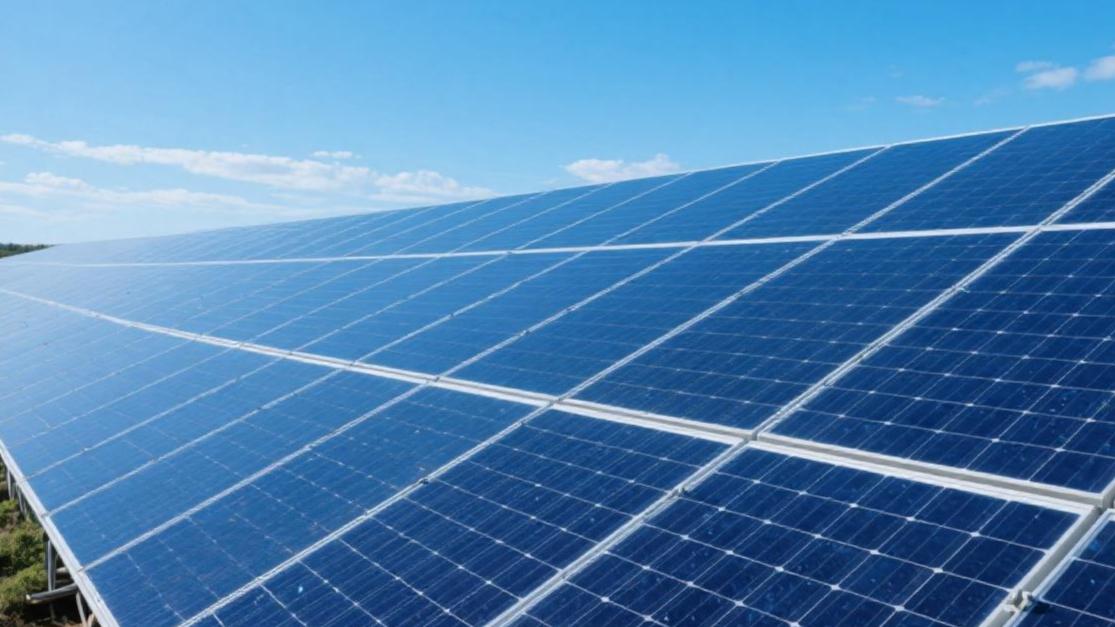
Reliability
It counts only after being tested
Polycrystalline silicon panels must pass the International Electrotechnical Commission's IEC 61215 and IEC 61730 standard certifications before leaving the factory. These tests are not a mere formality, but high-intensity physical torture. For example, the mechanical load test requires the front of the panel to withstand a pressure of 5400 pascals, which is equivalent to stacking sandbags with a total weight of about 860 kilograms on the panel.
After enduring such extreme pressure, the increase ratio of micro-cracks in the internal cells must be lower than 5%. In addition, there is a test called "hot spot protection," which simulates the extreme situation when a cell phone is blocked by fallen leaves or bird droppings. In this state, the blocked cell cell will change from a power generation unit to a power consumption load, and the local temperature may soar to above 150°C within a few minutes. High-reliability polycrystalline silicon modules bypass this part of the current by built-in 3 Schottky diodes, limiting the local temperature rise to a safe range and preventing the backsheet from burning out.
Statistical data shows that the systemic failure rate caused by material defects of polycrystalline silicon modules that have passed IEC standard certification is lower than 0.05% in the first 10 years of actual operation. Among 10,000 panels, the average number that need to be replaced due to quality problems each year is less than 5. This extremely high Mean Time Between Failures (MTBF) is the prerequisite for photovoltaic financing and insurance to intervene.
The parts inside
Cells are tightly wrapped by two layers of EVA (ethylene-vinyl acetate) film with a thickness of about 0.45 mm to 0.5 mm. In the lamination process, EVA will undergo a cross-linking reaction at a high temperature of 145°C, forming an elastic protective layer with a light transmittance exceeding 91%.
If the cross-linking degree of EVA is lower than 75%, the film may experience delamination after 5 to 8 years of operation, leading to moisture infiltration and corrosion of the internal silver grid lines. The backsheet usually adopts a TPT or TPE structure with a thickness between 300 microns and 350 microns, and its core role is to provide electrical insulation of more than 1500 volts and block external moisture. Experimental data proves that the water vapor transmission rate of high-quality backsheets is lower than 2 grams per square meter per day, which ensures that the internal circuit still maintains an insulation resistance of more than 400 megohms in humid environments.
Interface is stable
Standard polycrystalline silicon modules use junction boxes with an IP68 protection level, and this level ensures that even if the junction box is immersed in water 1.5 meters deep for 30 minutes, the internal circuit will not enter water. Three bypass diodes with rated currents of 15 amperes to 20 amperes are sealed in the junction box, and they can withstand instantaneous junction temperatures as high as 200°C. Connectors usually adopt MC4 specifications, and their contact resistance is strictly controlled below 0.25 milliohms.
If the contact resistance increases to 5 milliohms due to oxidation, under a 10-ampere working current, each joint will generate 0.5 watts of heat, and long-term heat accumulation will lead to connector housing deformation or even melting.
According to infrared thermal imaging spot checks conducted on long-term operating power stations, about 60% of electrical failures originate from improper connector installation or poor material selection, rather than the cells themselves. Using professional tools for torque tightening of 2.5 to 3.0 Newton-meters can reduce the probability of such electrical connection failure by more than 80%.
Is it afraid of heat
The peak power temperature coefficient of polycrystalline silicon is usually between -0.39%/°C and -0.43%/°C. On a sunny day with an ambient temperature of 35°C, the actual working temperature (NOCT) inside the panel usually reaches 45°C to 50°C. If ventilation and heat dissipation are poor, for every 1°C increase in panel temperature, the output power will lose about 1.2 watts.
Long-term operation under high temperatures will also accelerate the aging speed of polymer materials. According to the Arrhenius equation estimation, for every 10°C increase in operating temperature, the service life of the backsheet and film will be shortened by about half. Therefore, maintaining an air circulation gap of at least 10 cm between the back of the panel and the roof can reduce the operating temperature by 5°C to 8°C, thereby effectively extending the physical life of the module.
Break down slowly
In areas close to the sea, chloride ions in the air will corrode the aluminum alloy frame and internal ribbons. Polycrystalline silicon modules need to pass a salt spray corrosion test with a level of 6, which is being placed cyclically in a 5% concentration salt water spray for 1440 hours. For installation environments on farm roofs, modules must also pass the ammonia corrosion test, because if the concentration of ammonia produced by excrement reaches 20 ppm, it will accelerate the degradation of packaging materials.
Panels that have passed these special environmental certifications usually have frame oxide layer losses of less than 5 microns after 20 years of operation in extreme environments, ensuring that the mechanical structure's support strength can still resist strong wind impacts of more than 30 meters per second.