Why DIY Solar Panel Assembly | 3 Benefits
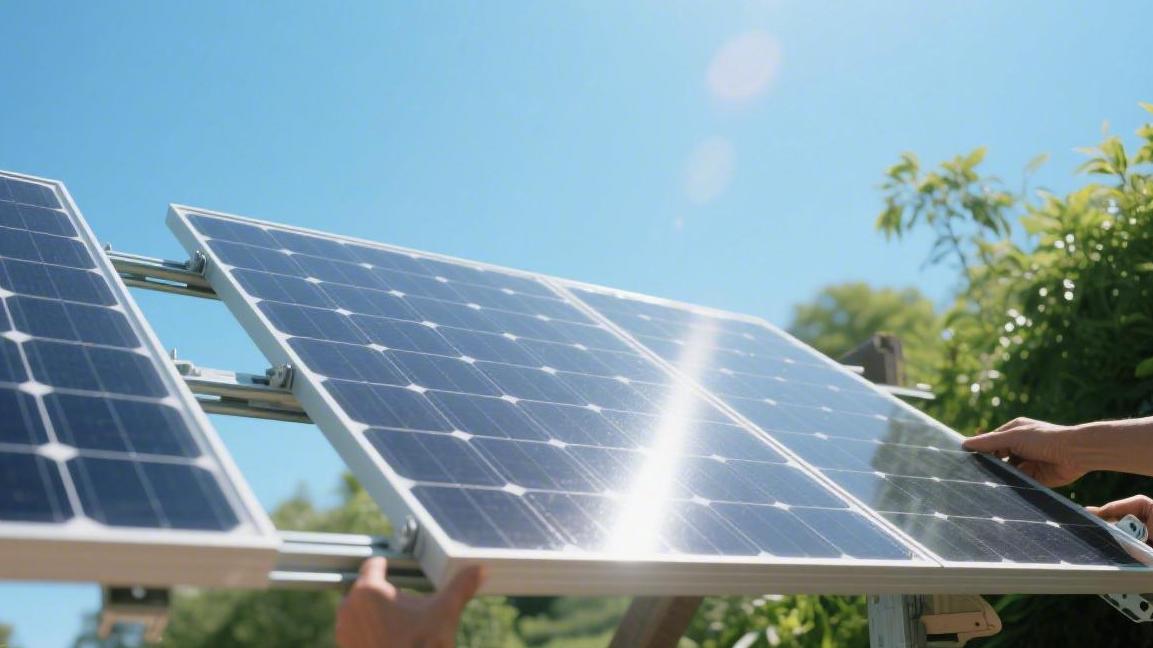
DIY assembly of solar panels can save about 30%-50% in costs. Calculating based on 400W modules for home use, it can reduce monthly electricity bills by about 100 RMB. At the same time, through independent encapsulation and series-parallel adjustment of voltage and current, system adaptability and maintenance convenience are improved.

Ultimate Customization and Scalability
Build It Your Way
Commercial installation companies usually refuse irregular roofs with an area of less than 15 square meters, but personal assembly can push the edge space utilization rate to over 98%. After measuring a garage slope 4.5 meters long and 3.2 meters wide with a tape measure, it can exactly lay flat 6 bifacial generating modules of 410W, 1.72 meters long and 1.13 meters wide. The remaining 2.5-meter long and narrow area at the edge of the eaves can also fit 3 flexible panels of 350W with a width of only 1.1 meters, pushing the total installed capacity of this area to 3.51 kW. For the sake of quick construction, outsourced engineering personnel usually reserve a setback distance of 0.5 meters around the roof ridge, wasting a full 12% of the high-quality lighting area.
When building it yourself, manually setting the tilt angle of the aluminum alloy bracket precisely to 33 degrees, compared to the flush installation extending along the roof, increases the solar radiation absorption rate in December by 8%. At 3 PM, the shadow of a chimney will cover 15% of the surface area of a certain panel. Attaching a $45 power optimizer to that specific photovoltaic panel alone recovers the 25% voltage drop of the entire series branch.
l Mix and match four 450W monocrystalline silicon panels and two 300W polycrystalline silicon panels, connecting them respectively to 2 independent 15A Maximum Power Point Tracking (MPPT) channels on the solar controller.
l Lay 10 AWG pure copper cables rated to withstand a current of 30 amps, keeping the line voltage loss of the 2 kW array within a 15-meter transmission distance below 1.5%.
l Spend the $85 price difference to upgrade the main distribution combiner box from the 100A specification to 200A, reserving 60% redundant capacity for the later 30A AC branch circuits.
l Purchase a 5 kW hybrid inverter priced at $1,200. The equipment can withstand a maximum PV DC input of 6,500 W, leaving 1,500 W of power headroom to meet the need of adding three 500 W modules next year.
l Operate the inverter panel to set the float charging voltage parameter to 54.4V and limit the absorption voltage to 57.6V. The charge-discharge cycle life of the 48V lithium iron phosphate cell pack is extended from 3,000 times to 5,000 times.
Add Modules Anytime
Take out a material budget of $1,800 in the initial stage to build a 1.2 kW micro-system that stably outputs 4.8 kWh of electricity every day. After 12 months of continuous operation, spend $600 to buy 4 brand-new 400W modules and integrate them into the original system, immediately increasing the daily power generation data by 6.4 kWh. The energy storage equipment adopts the exact same batch expansion pace; in the first phase, a rack-mounted cell weighing 45 kg with an electrical capacity of 5.12 kWh is placed in the corner.
Six months later, buy a data cable to parallel a second 5.12kWh cell. The total capacity of 10.24kWh can sustain a continuous load of 500W for 18 hours. Two physically parallel cell groups share the input current, dropping the discharge rate below 0.5C year-round. The maximum internal operating temperature of the cells decreases by 4°C, and the material thermal degradation rate reduces by 12% annually. The original $120 monthly utility bill, after 3 quarters of hardware capacity expansion, dropped by 85% in total amount, requiring only an $18 basic grid maintenance fee to be paid each month.
l Purchase a 25-meter-long 6 AWG main cable to replace the original 10 AWG cable, raising the cable's maximum carrying current from 30A to 55A to support the peak output of a 7 kW array.
l Spend $15 to buy a Y-branch parallel cable, parallelizing 2 groups of series arrays with the same open-circuit voltage of 48V together, doubling the total current delivered to the controller from 10A to 20A.
l When turning on high-power appliances in the home causes the load to exceed 80% of the inverter's nominal power, spend $800 to parallel-connect a 3 kW inverter of the same model, pushing the total load-carrying capacity up to 6 kW.
l Upon observing that the market wholesale price of a single 550W panel drops below $90, drive 4 galvanized ground stakes 1.2 meters deep into the empty backyard space and use a $150 ground mount to expand the power generation capacity by 2.2 kW.
l Install a $40 smart meter with a Wi-Fi transmission module on the main circuit to push real-time power data to the mobile APP every 5 minutes, recording the 15% generation increment added every day.
Place Anywhere
The lawn in the yard covers 40 square meters. Erect a set of 2.5-meter-high gazebo-style aluminum alloy mounts, and lay 8 pieces of 2.2-meter-long 550W double-glass modules flat on top to gain 4.4 kW of installed capacity. Dig a 0.6-meter-deep dirt trench from the edge of the gazebo, bury a 32mm diameter PVC conduit, and transmit the DC power to the building's exterior wall 20 meters away with a line loss rate of less than 2%.
The south-facing vertical wall of the garage accumulates an average of 5.5 hours of effective sunlight daily. Use expansion screws to secure four pieces of 380W lightweight flexible panels, filling the 20% power generation shortfall generated when the winter solar elevation angle is below 30 degrees. Equip these 4 wall-mounted panels with a separate 1.5 kW microinverter priced at $250, and transmit the 220 V AC power through a 15-meter-long 3-core 2.5 square millimeter cable into the indoor main distribution box. Stacking the data of two photovoltaic sub-arrays with different installation positions and tilt angles narrows the total output power fluctuation variance from 8 AM to 4 PM every day by 30%.
l The 18 pieces of 400W panels on the main roof are connected in series to generate 720V high-voltage direct current, pushing and maintaining the MPPT conversion efficiency of the 10kW inverter at a peak of 98.5%.
l Walk to the independent water pump room 40 meters away from the main house, which consumes 3 kWh of electricity daily. Separately drill holes in the roof to install two 300W panels and a 24V 50A PWM controller, saving the $600 material cost required to lay a long-distance AC cable.
l Use a 12mm diameter grounding copper wire to connect the gazebo metal bracket with the main house ground busbar. The grounding resistance measured by the multimeter remains below 4 ohms, circumventing the 0.1% annual probability of lightning strikes.
l Set the parameters on the system control panel so that when the remaining cell power falls below 20% and the PV input power is less than 500 W, the dry contact closes to automatically start a backup generator with a rated power of 3.5 kW to supplement the electrical energy.
l After the generator runs at 3,000 RPM for 45 minutes, it charges 2.6 kWh of electricity into the cell pack, triggering the 52 V disconnect threshold set inside the inverter, and stops consuming fuel that costs $1.2 per liter.
Energy Independence
No Power Outages
When the local public power supply lines are physically cut off for 12 to 48 hours due to winter blizzards or summer transformer overloads, a single-family home relying on grid power will usually face the situation of $300 worth of food in the refrigerator spoiling and thawing after 14 hours of power outage. If your DIY-assembled photovoltaic system hangs a 12 kW bidirectional inverter weighing 38 kg with a pure copper power frequency transformer on the garage wall, it can control the internal transfer relay to disconnect from the grid within 20 milliseconds of the external grid sine wave disappearing.
This 20-millisecond physical isolation and power takeover speed allows the desktop computer indoors, the wireless router running on the 2.4GHz band, and the 1.5-horsepower air conditioner with a precision variable frequency compressor to remain running without any noticeable interruption. When the grid resumes power supply, it is often accompanied by an instantaneous surge voltage peaking up to 280 V. The independently running inverter system can completely isolate this voltage shock caused by the external grid flash interruption, preventing the motherboard capacitors of the 65-inch LCD TV at home from being punctured by high voltage.
On the third day of the external line paralysis, your three 5.12kWh lithium iron phosphate cell packs stored in the insulated cabinet in the basement can continuously and stably output split-phase alternating current with a frequency of 60 Hz and a voltage of 240 V. Calculated according to the basic electricity usage mode of keeping only one refrigerator with an operating power of 150 W, four 9W LED ceiling lights, and one broadband modem consuming 50 W at night, this fully charged capacity reservoir totaling 15.36 kWh is enough to support the aforementioned three basic devices running continuously for up to 72 hours.
Dodging Electricity Bills
The utility company has raised the basic tier electricity rate for residents from $0.12 to $0.24 per kWh over the past 7 years, reaching a compound annual growth rate of 10.4%. Facing the peak power consumption period of the whole society from 4 PM to 9 PM, some areas implementing Time-of-Use (TOU) pricing will forcibly pull the billing standard during this period up to more than $0.38 per kWh.
By laying 24 monocrystalline silicon panels with a rated power of 410W and a photoelectric conversion rate of 21.5% on the roof, you lock in a fixed acquisition cost of $0.04 to $0.06 per kWh in advance for the 25-year physical life cycle of the entire system. When you generate 35 kWh of DC power through the 9.8 kW PV array during the high-light hours from 9 AM to 3 PM, 12 kWh of it will be converted into AC power in real-time by the built-in dual MPPT charge controller, used to drive a dishwasher with an operating power of 1800 W and a storage-type electric water heater consuming up to 4500 W.
The remaining unconsumed 23 kWh will be charged into the 48V home energy storage bin with a constant DC current of 55A. This part of the electrical energy, freely collected and stored during the day, is just enough to fill the 18 kWh gap generated when 2 TVs, 1 oven, and lighting equipment in 3 rooms are turned on simultaneously during the evening peak hours. The amount of the bill you receive every month thus plummets from $185 in the past to a mere $12 basic meter maintenance fee paid to the grid company each month.
Ditching the Grid
Downgrading grid access to a backup option, a portable gas generator with a displacement of 400cc running for 8 hours while maintaining a 3,000W full-load output will consume about 4.5 gallons of unleaded gasoline. At a market retail price of $3.8 per gallon, the pure fuel expense for a day reaches $17.1, accompanied by continuous mechanical noise as high as 75 decibels.
This pure solar off-grid power supply architecture you built relies on an average of 5.5 hours of effective sunshine acquired during the day to forcibly compress the estimated 40 times a year the generator is forced to run down to only 3 times, which only start when there are 3 consecutive days of rain and the outdoor solar radiation intensity is below 150 W/square meter.
In January, when the temperature drops to minus 15 degrees Celsius, you connect to the Cell Management System (BMS) via mobile Bluetooth to raise the inverter's discharge cutoff voltage from the default 42V to 44.5V, forcefully reserving 20% of the cell pack's bottom-level capacity to prevent deep discharge loss in extreme cold weather. This parameter-level intervention operation can maintain the continuous normal power supply of all 110V basic wall outlets in a 3-bedroom house for up to 14 months under the physical condition of complete disconnection from external power inputs.
Calculating Cell Costs
Replacing the previous generation of single 12V lead-acid batteries weighing up to 60 kg with a 48V lithium iron phosphate cell module made of automotive-grade prismatic cells narrows the terminal voltage drop of the system during a 7.5kW continuous high-current discharge test from 3.2V to only 0.4V.
Energy Storage Medium | Unit Specification | Charge/Discharge Cycles | Recommended Depth of Discharge | Cost per kWh | Unit Weight |
Deep Cycle Lead-Acid | 12V 200Ah | 800 Times | 50% | $150 | 60kg |
Lithium Iron Phosphate | 48V 100Ah | 6000 Times | 90% | $220 | 45kg |
Lithium Titanate | 24V 50Ah | 20000 Times | 100% | $850 | 30kg |
If a lead-acid cell remains in an 80% deep discharge state for 3 consecutive months in a garage with an ambient temperature of 35 degrees Celsius, the vulcanization of its internal plates will cause a permanent loss of 18% of its total usable capacity. A brand-new lithium iron phosphate cell running at a 0.5C rate under the same daily 90% depth of discharge for 15 years will still maintain a capacity retention rate stably above the 82% testing baseline.
When installing an 8 kW hybrid inverter equipped with dual 60 A PV inputs in the basement, you need to use 2 pure copper temperature-resistant connection cables with an outer diameter of 11.6 mm and a 4/0 AWG wire gauge. They can safely carry instantaneous DC currents up to 250A, thoroughly preventing the high-power deep well water pump in the backyard or the 2-horsepower freestanding air conditioner from dragging down the entire energy storage power network when generating a surge power of up to 6,000W the moment the compressor starts. You can connect a two-core control wire to the Dry Contact port at the bottom of the inverter, setting it to automatically issue a continuous 12V pulse signal when the cell SOC (State of Charge) drops to 15%, physically waking up the outdoor backup propane generator within 3 seconds to intervene and charge.
Faster ROI
Quick Payback
A commercial outsourcing team installing an 8.5 kW grid-tied PV system for a single-family home with a roof area of 1500 square feet will usually issue a bill totaling $23,800, equating to a unit installation price of $2.8 per watt. By purchasing twenty-two 390W half-cut monocrystalline silicon modules, a string inverter with a rated AC output of 8,000W, and matching aluminum alloy L-shaped bases and galvanized stainless steel fasteners yourself at a local electrical wholesaler, the total material cost is only $7,225, forcing the per-watt cost down to $0.85. Calculated based on the region's annual equivalent full-load sunshine time of 1,350 hours, the system can deliver 11,475 kWh of AC power to the home distribution box in the first year.
Facing the tiered billing standard of $0.22 per kWh from the local utility company, the self-assembled power supply network can offset $2,524.5 in grid power procurement expenses on the books in its 12th month of operation. The outsourced installation model requires you to wait a grueling 113 months before the accumulated saved electricity bills wipe out the initial investment amount.
Excluding the exorbitant $85 to $120 hourly on-site construction fee of licensed electricians, and the 12% to 15% commission taken by sales representatives from the total project amount, the DIY construction plan drastically shortens the investment return timeline from a lengthy 9.4 years down to 34 months the moment the equipment is connected to the grid and powered on.
Cutting Out the Premium
For an outsourced installation contract priced at $25,000, after adding a 22% dealer handling fee and a fixed annual interest rate of 6.5%, the actual total amount paid when you clear the final bill in the 240th month will reach $43,280. Taking a procurement list that includes 60 meters of 10 AWG UV-resistant PV cable, 4 MC4 terminal crimping pliers, and 2 DC disconnect switches with a 40A capacity, you go to a hardware and building materials supermarket and swipe your credit card to pay $2,100 for installation accessories.
When buying microinverters, you bypass the 35% channel price difference earned by the general distributor and snag 18 devices supporting a maximum input current of 14A at a wholesale price of $145 each on an industrial procurement platform. Skipping the middleman for a flattened material acquisition path turns 75% of the entire project budget into solid power generation hardware assets, instead of turning into errand fees for sales personnel or interest rate spreads for financial institutions.
For a 10kWh wall-mounted lithium iron phosphate energy storage cell with a market retail price of $2,800, by finding the same-specification white-label cell cells from major overseas contract manufacturers and assembling the BMS (Cell Management System) protection board yourself, you only need to spend $1,150 in material costs to obtain the same 10,240 watt-hours of energy storage capacity, plunging the per-kWh energy storage construction cost from $280 down to $112.
Claiming Tax Credits
When you file your personal income tax for the previous calendar year, the total expenditure of that $8,500 self-built 7.2 kW rooftop solar system, plus $250 in building material shipping and $150 in municipal building permit application fees, allows you to legally obtain a federal tax deduction of $2,670. The cash actually returned to your personal checking account during the tax refund season the following April pushes the actual net holding cost of the system further down to $5,830.
Although the whopping $28,000 invoice amount under the commercial outsourcing model can get an $8,400 tax credit, the remaining $19,600 in net debt still requires you to rely on the $180 electricity bill saved every month to slowly fill the gap over a long cycle of 108 months. Your self-purchased 460W bifacial generating modules can absorb an extra 15% of scattered light reflected from the back at 6:30 AM and 5:30 PM, forcibly raising the daily effective power generation by 1.2 kWh without increasing the footprint. The accumulated extra 438 kWh of electricity per year, calculated at the local peak electricity price of $0.26, can add an extra $113.88 in hidden benefits to the books annually.
Targeting a power consumption model of 10,500 kWh consumed annually by a single-family home, the DIY system with a net cost of only $5,830 will generate a cumulative compound return difference of up to $28,400 by the 10th year of operation, when facing an average annual 4.5% increase in residential electricity rates.
Calculating the Itemized Bill
Thirty monocrystalline silicon modules measuring 65 inches by 39 inches, labeled with a photoelectric conversion efficiency of 21.3%, cost $3,450. An 11.4 kW string hybrid inverter reaching a conversion efficiency of 98.2% and supporting IP65 outdoor waterproofing costs $1,850. The metal bracket system composed of 24 aluminum alloy mounting rails of 10 feet in length plus 120 stainless steel fixing clamps consumed $780. Paired with 2 rolls of 500-foot-long 10 AWG copper core cables, 4 lightning surge protectors, and two 60A AC circuit breakers, the electrical accessories expenditure is about $420.
The two-way meter replacement fee and grid connection testing fee charged by the local grid company total $300. The bare equipment procurement amount totaling $6,800, after enjoying the 30% federal tax rebate, locks the actual cash outflow at a baseline of $4,760.
A 10 kW power generation facility landing at a net cost of less than five thousand dollars will, within its first 5 years of operation, forcefully intercept $15,620 worth of bills originally destined for public utility companies with an average output of 14,200 kWh per year. The annualized risk-free return rate breaks through an unprecedented 65%.
As the service life advances to the 15th year, even if the physical degradation rate of the modules is calculated according to a linear loss of 0.55% per year, the entire system still maintains a stable peak output capability of over 8.5 kW. The equipment has accumulated more than $45,000 in tax-free electricity value for you. Spending 30 minutes every weekend climbing a ladder to hose off bird droppings and fallen leaves from the panel surfaces keeps the array's overall photoelectric conversion rate steadily above 97% of the rated value year-round, avoiding the $199 single on-site cleaning and maintenance service fee forcefully charged by commercial companies every year.